
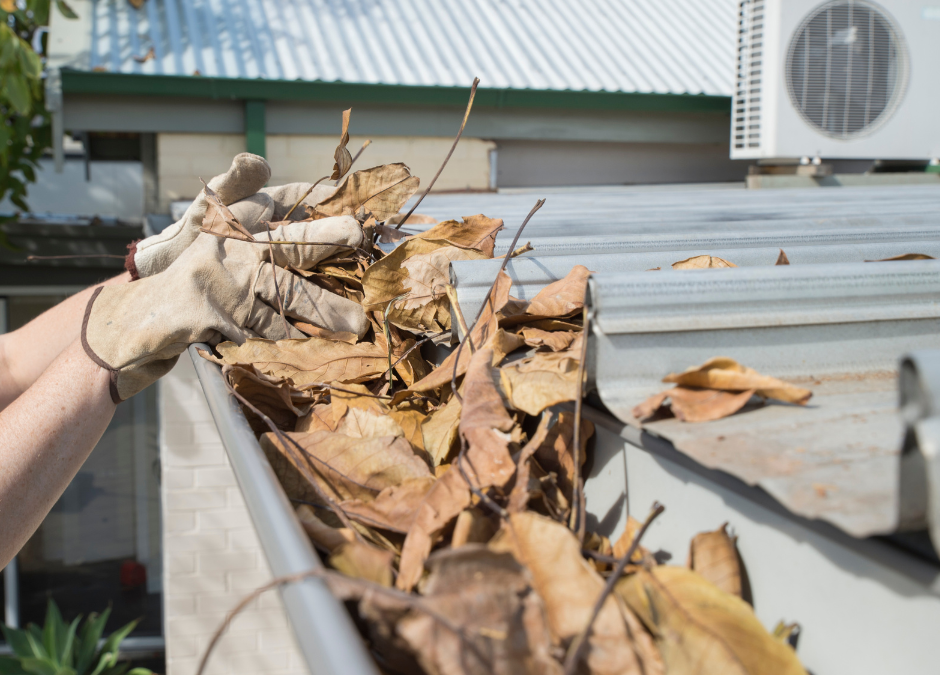
Maintaining clean and functional gutters is one of the most important aspects of protecting a home from water-related damage. However, regular gutter cleaning can be time-consuming, physically demanding, and sometimes unsafe. An easy gutter guard system offers a practical solution by helping prevent leaves, twigs, and other debris from entering the gutter while allowing rainwater to flow efficiently. As a result, homeowners can spend less time on maintenance and more time enjoying peace of mind. Understanding how gutter protection systems work and what features to look for can help homeowners make an informed decision that provides reliable performance for years to come.
Why Gutter Protection Is Essential
A home’s gutter system plays a critical role in directing rainwater away from the roof, walls, foundation, and landscaping. When gutters become clogged with debris, water cannot flow properly through the downspouts. Instead, it overflows and may cause damage to exterior walls, erode landscaping, weaken the foundation, or even leak into basements and crawl spaces.
Standing water inside clogged gutters can also create an ideal environment for insects, birds, and other pests. During colder months, trapped water may freeze and contribute to ice dams that place additional stress on the roof and gutter system. Installing a reliable gutter protection system helps minimize these risks by supporting consistent water flow throughout the year.
Understanding How Gutter Guard Systems Work
Gutter guard systems are designed to create a protective barrier that allows rainwater to enter the gutter while preventing leaves, branches, and other debris from accumulating inside. Although different products use different designs, they all share the same objective of reducing clogs and improving drainage efficiency.
Some systems feature fine mesh that filters out even small particles, while others use perforated metal panels or curved surfaces that direct water into the gutter while allowing debris to slide away. The effectiveness of each design depends on factors such as local weather conditions, nearby trees, roof style, and the amount of seasonal debris surrounding the property.
Choosing the Right Material
The material used in a gutter protection system significantly affects its durability, performance, and lifespan. Aluminum remains one of the most popular choices because it is lightweight, corrosion-resistant, and capable of withstanding various weather conditions. Stainless steel provides additional strength and excellent resistance to rust, making it an ideal option for homes exposed to heavy rainfall or coastal environments.
Some systems are manufactured using durable polymers or high-quality plastic materials that resist cracking and fading when exposed to sunlight. Selecting a material that matches the local climate and environmental conditions helps ensure long-term reliability with minimal maintenance.
Benefits Beyond Cleaner Gutters
The advantages of installing a gutter protection system extend far beyond reducing the need for routine cleaning. A properly functioning system helps prevent costly water damage by directing rainwater safely away from the home’s structure. This protection supports the longevity of the roof, fascia boards, siding, and foundation.
Reducing debris accumulation also decreases the likelihood of rust, corrosion, and premature gutter deterioration. Homeowners often find that they spend less time climbing ladders for seasonal maintenance, improving both convenience and safety. In addition, consistent drainage helps preserve landscaping by preventing overflowing gutters from washing away soil or damaging flower beds during heavy rainfall.
Factors to Consider Before Installation
Selecting the most appropriate gutter protection system requires careful evaluation of several important factors. Climate should always be considered, especially in regions that experience heavy rain, snow, or strong winds. Properties surrounded by mature trees may require systems capable of blocking smaller debris such as pine needles and seed pods.
Compatibility with the existing gutter system is equally important. A well-designed product should fit securely without interfering with roof shingles or restricting water flow. Homeowners should also evaluate product warranties, expected lifespan, maintenance requirements, and the manufacturer’s reputation for producing durable and dependable solutions.
Maintaining Long-Term Performance
Although gutter protection systems greatly reduce maintenance requirements, they do not eliminate maintenance completely. Periodic inspections remain important for ensuring optimal performance throughout the year. After severe storms, homeowners should check for accumulated debris on top of the guard and verify that downspouts remain clear.
Cleaning roof valleys, trimming overhanging tree branches, and inspecting fasteners can further improve the effectiveness of the entire drainage system. Routine maintenance not only protects the investment but also helps maximize the lifespan and efficiency of the gutter protection system.
Conclusion
A dependable gutter protection system is a valuable investment that helps preserve the structural integrity of a home while reducing maintenance demands. By understanding the different materials, designs, and installation considerations available, homeowners can choose a solution that delivers reliable drainage and long-lasting performance in a variety of weather conditions. Investing in quality products from a trusted manufacturer can provide lasting peace of mind, and E-Z Gutter Guard Protection continues to offer innovative solutions designed to support efficient water management and durable gutter protection.