
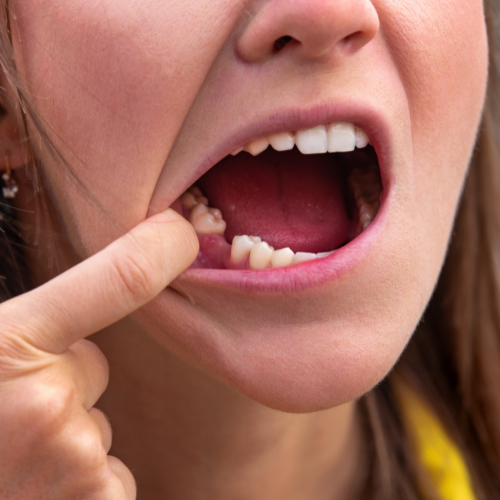
Many people delay replacing missing teeth because the problem does not always cause immediate discomfort. Unlike a painful dental emergency, a missing tooth may appear manageable, especially when it is located away from the visible smile area. However, postponing treatment can allow gradual changes to occur inside the mouth, potentially leading to more complex procedures and increased treatment requirements in the future.
Modern dental care emphasizes early evaluation because replacing a missing tooth is not only about restoring appearance. It is also about maintaining jawbone health, protecting surrounding teeth, and preserving proper oral function. Understanding the long-term impact of delayed treatment can help patients make more informed decisions about their dental health.
Why Missing Teeth Become More Complicated Over Time
A missing tooth creates an imbalance within the oral structure. Teeth are designed to work together, with each tooth contributing to chewing forces, bite stability, and jaw support.
When one tooth is removed or lost, the surrounding structures begin adapting to the change.
Over time, patients may experience:
- Movement of nearby teeth into the empty space
- Changes in bite alignment
- Increased pressure on remaining teeth
- Difficulty cleaning certain areas
- Reduced chewing efficiency
These changes often happen slowly, which is why many people do not recognize the impact until the condition becomes more advanced.
Bone Loss Is One of the Biggest Concerns After Tooth Loss
The Jawbone Depends on Tooth Stimulation
The roots of natural teeth provide stimulation that helps maintain jawbone density. Once a tooth is missing, that stimulation decreases, causing the body to gradually reduce the bone in that area.
This process, known as bone resorption, can affect future treatment options.
Reduced bone volume may result in:
- Additional procedures before tooth replacement
- Longer treatment timelines
- Changes in facial structure
- Greater difficulty supporting restorations
Replacing a missing tooth at the appropriate time can help preserve the foundation needed for future oral stability.
Delayed Treatment Can Affect More Than One Tooth
Many patients assume a missing tooth only affects the empty space. In reality, surrounding teeth often experience increased stress.
When chewing forces are redistributed, remaining teeth may become overloaded. This can contribute to:
- Premature wear
- Tooth fractures
- Gum problems
- Increased sensitivity
- Additional restorative needs
A single untreated issue can gradually influence the overall condition of the mouth.
Why Early Assessment Creates More Treatment Options
One of the advantages of addressing tooth loss early is that patients often have more available treatment choices.
Dental professionals evaluate several factors before recommending a solution, including:
- Bone condition
- Gum health
- Bite function
- Number of missing teeth
- Overall oral health
Patients researching affordable dental implants near me should understand that cost is only one part of the decision-making process. A detailed assessment helps determine the most suitable option based on long-term oral health needs rather than short-term considerations.
Modern Solutions Help Restore Function and Stability
Advancements in dentistry have transformed the way missing teeth are treated. Modern tooth replacement options are designed to restore both appearance and function while supporting the health of surrounding structures.
Common solutions may include:
Dental Implants
Implants replace both the missing tooth and its root structure, helping provide stability and support for the jawbone.
Dental Bridges
Bridges can replace missing teeth by using neighboring teeth as support when appropriate.
Comprehensive Restorative Treatment
In cases involving multiple dental concerns, treatment may combine different procedures to rebuild function and improve oral health.
Through restorative dentistry, professionals can create personalized plans that address missing teeth while considering the entire oral system.
Financial Impact of Delaying Tooth Replacement
Many people postpone treatment because they are concerned about immediate expenses. However, delaying care may increase future costs if additional problems develop.
Potential future treatment needs may include:
- Bone restoration procedures
- Repairing damaged neighboring teeth
- Treating gum conditions
- Correcting bite changes
- Replacing failed restorations
Early consultation allows patients to understand available options and plan treatment according to their needs and circumstances.
Signs You Should Consider a Dental Evaluation
Patients should consider professional advice if they notice:
- Difficulty chewing comfortably
- Changes in bite sensation
- Teeth shifting position
- Gum irritation near missing spaces
- Facial changes around the mouth
- Increased sensitivity in surrounding teeth
Even if a missing tooth is not painful, evaluation can help identify risks before they become more serious.
Prevention Is a Long-Term Investment in Oral Health
Replacing missing teeth is not simply a cosmetic decision. It is a preventive step that protects the structures responsible for chewing, speaking, and maintaining facial support.
Modern dentistry focuses on preserving natural tissues, preventing unnecessary complications, and creating solutions that support long-term function.
The earlier a patient understands their options, the easier it becomes to choose a treatment approach that aligns with their oral health goals.
Conclusion
Delaying tooth replacement may seem harmless when there is no immediate discomfort, but hidden changes can gradually affect the entire mouth. Bone loss, shifting teeth, bite problems, and additional restorative needs may develop over time, making future treatment more complex.
Early assessment allows dental professionals to identify the most suitable solutions while protecting long-term oral health. Replacing missing teeth at the right stage is not only about restoring a smile it is about preventing future challenges and maintaining a healthier, stronger oral foundation.