
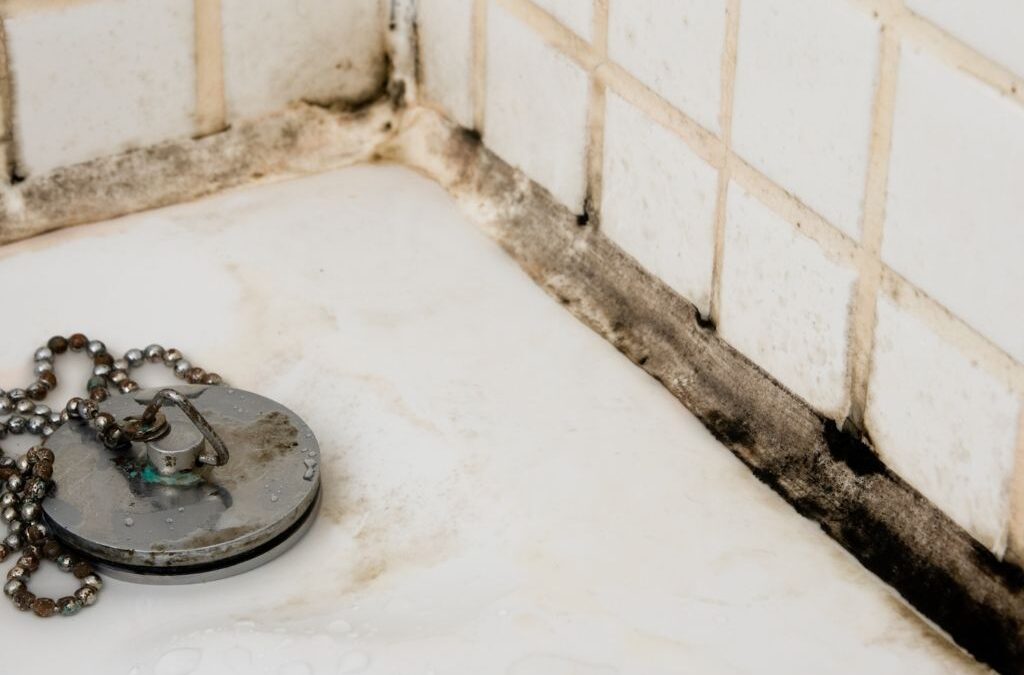
Bathroom grout can gradually change color, especially in areas exposed to regular moisture, soap, and limited ventilation. Black patches between tiles may indicate mould or mildew, while pink or orange residue is often caused by bacterial growth. These stains can make an otherwise clean bathroom look neglected and may become difficult to remove when left untreated. Understanding the causes of discoloration is the first step toward maintaining healthier, more attractive surfaces. Homeowners looking for professional tile and grout cleaning in Menifee can benefit from understanding how different stains develop, which cleans methods work, and how regular maintenance can prevent them from returning.
What Causes Bathroom Grout to Turn Black?
Black grout stains are commonly associated with mould and mildew, particularly in showers, around bathtubs, and near bathroom corners. These organisms thrive in areas where moisture remains for extended periods. Since traditional cement-based grout is porous, it can absorb water, soap residue, and dirt, creating conditions that encourage growth. Poor ventilation, leaking fixtures, and water collecting along tile joints can make the problem worse. Sometimes, black discoloration is simply embedded dirt or accumulated residue rather than mould. However, when dark patches spread, develop a musty smell, or repeatedly return after cleaning, it is important to investigate the underlying moisture problem.
Why Does Grout Develop Pink or Orange Stains?
Pink or orange bathroom stains are often mistaken for a type of mould, but they may actually be caused by a bacterium called Serration marcescens. It commonly develops on damp surfaces where soap scum, shampoo residue, and mineral deposits accumulate. It can appear along shower grout lines, around drains, near faucets, and on bathtub edges. The bacteria produce a reddish pigment that creates the familiar pink appearance. Although it is generally manageable with proper cleaning, it should not be ignored. Regular removal of residue, combined with better moisture control, helps prevent the buildup from returning.
How to Clean Black Stains from Grout
Removing black stains starts with identifying the surface and choosing a suitable cleaning product. Use a bathroom cleaner specifically labelled as safe for your grout and tile material. Apply it according to the manufacturer’s instructions and allow the recommended contact time. A soft-bristled grout brush can help loosen surface dirt and mildew without unnecessarily scratching nearby tiles. Rinse the area thoroughly and dry it with a clean cloth. Avoid aggressive scrubbing, particularly on older or damaged grout, as excessive pressure can weaken the joints. If discoloration remains deep within the material or continues returning, professional cleaning or an inspection for moisture intrusion may be necessary.
Effective Ways to Remove Pink Grout Stains
Pink residue can often be removed with careful surface cleaning. Begin by applying a suitable bathroom cleaner and gently scrubbing the affected grout lines with a soft brush. Rinse away the loosened residue before using a compatible disinfecting product if required. Follow the product label for application, contact time, and rinsing instructions. Always wear appropriate gloves and maintain good ventilation. Never combine bleach with vinegar, ammonia, acids, or other cleaning products, as dangerous fumes can develop. If the pink discoloration repeatedly returns, focus on removing soap buildup and reducing the amount of moisture left behind after showers.
Why Bathroom Grout Stains Keep Coming Back
Cleaning visible discoloration does not always address the conditions responsible for its return. Grout can retain moisture and cleaning residue, allowing mould, mildew, or bacterial films to develop again. In some bathrooms, leaking plumbing, damaged caulking, poor drainage, or insufficient ventilation creates a constant source of dampness. Another common issue is soap scum, which gradually builds up on tile surfaces and provides material that supports microbial growth. Simply wiping away the visible stain may provide temporary improvement without solving the underlying problem. Effective maintenance should include proper cleaning, thorough rinsing, adequate drying, and attention to areas where water frequently collects.
Simple Habits to Keep Grout Clean and Bright
A few consistent habits can make bathroom maintenance much easier. After showering, use a squeegee to remove excess water from tiled walls and floors. Wipe down wet corners and grout lines where moisture tends to collect. Keeps the bathroom exhaust fan running during showers and for approximately 20 minutes afterward, if appropriate for the room’s ventilation system. Clean soap residue regularly instead of allowing it to accumulate over several weeks. Fix dripping faucets and plumbing leaks promptly, and avoid leaving damp towels or bath mats on tiled floors. These small steps reduce prolonged moisture exposure and help keep grout looking cleaner between deeper cleaning sessions.
When Is Professional Tile and Grout Cleaning Necessary?
Some grout problems require more than ordinary household cleaning. Deeply embedded dirt, widespread discoloration, stubborn residue, and recurring stains may be difficult to address with basic cleaning supplies. Professional technicians can assess the tile material, grout condition, and type of buildup before selecting an appropriate treatment. Specialized cleaning equipment can help loosen and extract accumulated soil from grout joints while protecting surrounding surfaces. Professional attention is also useful when homeowners are unsure whether discoloration comes from dirt, microbial growth, or material deterioration. If grout is cracked, crumbling, or persistently damp, repairs or a moisture inspection may be needed alongside cleaning.
The Importance of Regular Grout Maintenance
Grout maintenance should be part of an overall bathroom cleaning routine rather than something homeowners consider only when stains become noticeable. Periodic inspection helps identify early signs of discoloration, damaged caulking, and areas where water may be collecting. Depending on the grout type and condition, applying a suitable grout sealer can help reduce absorption and make routine cleaning easier. However, sealing does not make grout waterproof or eliminate the need for regular care. Combining appropriate cleaning methods with good ventilation and prompt repairs can help preserve the appearance of tiled surfaces. Consistent maintenance also reduces the likelihood of expensive repairs caused by neglected moisture problems.
Conclusion
Black and pink grout stains are common bathroom problems, but they usually have different causes and require appropriate cleaning approaches. While black discoloration may indicate mould, mildew, or embedded dirt, pink residue is often associated with bacterial growth on damp surfaces. Regular cleaning, proper ventilation, prompt leak repairs, and thorough drying can help control both issues. When stains become deeply embedded or repeatedly return, professional attention can provide a more effective solution.
For homeowners who want to maintain attractive, hygienic tiled surfaces, Aery’s Carpet & Tile Cleaning provides professional tile and grout cleaning solutions. With proper care and regular maintenance, bathroom floors and walls can retain their appearance while remaining easier to clean and maintain.