
Introduction
A flash of yellow through the leaves, a distant call from the canopy, or a brightly coloured bird perched beside a forest clearing can turn an ordinary walk into a memorable wildlife experience. La Fortuna, Costa Rica, offers nature enthusiasts opportunities to observe tropical birds in a setting where forest vegetation, open spaces, and natural water features create varied viewing environments. Bird Watching La Fortuna is not just about recognising colourful feathers; it is also about learning to notice movement, listen for bird calls, and understand how birds interact with their surroundings. Even travellers with little birdwatching experience can enjoy the activity by slowing down and paying attention to details they might otherwise overlook. With suitable preparation and guidance, the forest trails offer an engaging way to discover the region’s birdlife without needing specialised equipment or advanced identification skills.
Look Beyond the Most Colourful Birds
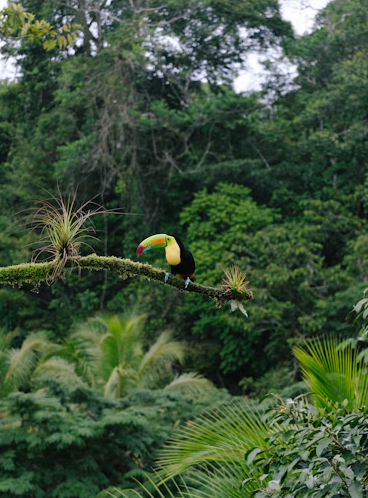
Bright plumage naturally attracts attention, but colour alone does not determine which birds you will notice along a forest trail. Some birds remain high in the canopy, while others move through lower branches or visit open areas. Toucans, tanagers, motmots, and jacamars are among the bird groups highlighted by local birdwatching experiences in La Fortuna. Each offers different opportunities for observation, from distinctive silhouettes to colourful markings and characteristic movements. Rather than concentrating exclusively on finding one particular species, look at different heights and pay attention to the shapes and patterns around you. A bird that initially appears to be an ordinary shadow may reveal its colours when it changes position. Keeping an open mind makes each section of the trail an opportunity for discovery.
Learn to Listen Before Looking
Birdwatching becomes more rewarding when visitors use their ears as well as their eyes. Tropical forests contain overlapping sounds, and learning to distinguish bird calls from rustling leaves or insects takes practice. A short call from one direction may help you locate a bird before its body becomes visible between branches. Try pausing occasionally instead of walking continuously, particularly when you hear repeated calls or movement overhead. Listen for changes in pitch, rhythm, and distance, then scan the surrounding vegetation slowly. A knowledgeable guide can help interpret these sounds and explain what to look for without disturbing the animals. You do not need to memorise every call to benefit from this approach. Simply becoming more attentive to the forest’s soundscape can make an ordinary walk feel like a more focused wildlife exploration.
Why Forest Edges and Open Areas Matter
Birds do not use every part of a forest in the same way. Some are more easily observed around vegetation edges, while others may be seen moving between trees, feeding near suitable plants, or visiting water. The birdwatching trail described by the tour operator extends approximately 1.5 kilometres and includes forest surroundings, open areas, lakes, and small natural water features. These different settings create several places to pause and observe rather than relying on a single viewpoint. Open spaces can make movement easier to notice, while dense vegetation may require patience and careful scanning. Water features can also provide useful observation points, although sightings are never guaranteed. Understanding these habitat differences helps visitors appreciate why a varied trail can offer a richer experience than walking quickly through one type of vegetation.
Make the Most of an Early Start
The timing of a nature walk can influence how visitors experience the forest. The operator lists its guided birdwatching experience with an early morning departure at 5:30 a.m., a time that allows participants to explore during the cooler, quieter part of the day. Morning conditions can make it easier to listen for bird calls and pay attention to movement before the day becomes busier. Travellers should confirm the departure time when arranging their visit and plan their transport accordingly. Preparing clothing, footwear, water, and camera equipment the previous evening can also make an early start less stressful. Most importantly, arrive ready to observe rather than rush. A calm beginning gives you more time to notice the smaller details that make a guided walk interesting, whether or not a particular bird appears.
You Do Not Need Professional Photography Equipment
A professional camera with a long lens can be useful for bird photography, but it is not a requirement for enjoying the experience. Beginners can start by observing a bird carefully, noticing its colours and shape, and trying to remember where it was perched. A smartphone may capture a useful photograph when the bird is visible at a suitable distance, although small or distant subjects can be difficult to photograph clearly. Binoculars, if available, can help you examine details without approaching wildlife. The operator’s birdwatching experience includes a dedicated perch area for observation and photography, giving enthusiasts a place to wait patiently for a suitable moment. Avoid chasing birds for a photograph or leaving designated paths. A respectful observation often provides a better experience than trying to obtain a close-up image at any cost.
How a Guide Helps You Notice More
A guided bird watching tour la fortuna experience can be valuable because finding wildlife often requires more than simply walking through a beautiful landscape. An experienced naturalist can help visitors recognise bird shapes, interpret calls, and notice movement that might otherwise go unnoticed. Guides can also explain how different birds use their surroundings and why preserving natural habitats matters. This support is particularly helpful for beginners who may not know where to look or how long to wait. According to the operator’s tour information, the guided experience includes explanations of the route and its main observation areas, along with information about conservation and habitat protection. Visitors can ask questions as they explore, making the walk both observational and educational. The aim is not to promise a specific sighting but to help participants understand the wildlife they encounter.
Choose Your Trail Experience According to Your Interests
Not every traveller wants the same type of nature experience. Some prefer a guided walk where a knowledgeable person helps identify wildlife, while others enjoy moving independently and spending longer at places that catch their attention. La Fortuna offers different ways to explore its forest surroundings, including guided daytime walks and self-guided trail experiences. The best choice depends on your interests, available time, comfort level, and whether learning about bird behaviour is a priority. Visitors who want assistance identifying species may benefit from a guided outing, while independent explorers may prefer a quieter pace. Travellers interested in changing forest activity around sunset can also investigate twilight tours in la fortuna, which offer a different time-of-day perspective. Check the details of each experience before booking to ensure the duration, departure time, and activities suit your plans.
Prepare for the Trail Without Overpacking
Comfort and preparation can make a noticeable difference during a wildlife walk. Lightweight, breathable clothing and sturdy walking shoes are practical choices for exploring tropical forest paths. A small daypack allows you to carry essentials without making movement uncomfortable. Depending on the weather, sunscreen, a hat, insect repellent, and rain protection may also be useful. Bring a camera or smartphone if photography interests you, but keep your attention on the surroundings rather than looking at a screen throughout the walk. If you wear glasses, consider how you will comfortably switch between looking into the distance and examining nearby vegetation. Follow your guide’s instructions, remain on the permitted trail, and avoid feeding or handling wildlife. Thoughtful preparation lets you focus on observation instead of worrying about equipment or discomfort.
Final Thoughts
Spotting colourful birds along La Fortuna’s forest trails is as much about patience and awareness as it is about knowing species names. Listening for calls, watching the canopy, pausing near open areas, and noticing changes in the vegetation can reveal details that a hurried walk would miss. Beginners can enjoy the experience without expensive equipment, while experienced birdwatchers may appreciate the opportunity to observe familiar bird groups in a tropical setting. Responsible behaviour remains essential: give wildlife space, respect the trail, and remember that every visit brings different conditions and possible sightings. For travellers who want to explore local nature with guidance and a focus on wildlife observation, La Fortuna Hikes And Trails offers a way to experience the forest while learning more about its birdlife and the importance of protecting natural habitats.