
Introduction
Diesel engines are designed to deliver strong torque, good fuel economy and dependable performance, but several components work together to achieve that balance. One of these is the EGR solutions Cannock, which helps reduce certain emissions by directing a controlled amount of exhaust gas back into the engine’s intake system.
Over time, carbon deposits and general wear can affect how effectively the system operates. For drivers experiencing sluggish acceleration, rough running, reduced responsiveness or an illuminated engine warning light, the EGR system may be one area worth investigating. Understanding how it works and recognising potential problems early can help motorists make better decisions about vehicle maintenance.
What Does an EGR System Do?
The EGR system is primarily designed to reduce nitrogen oxide emissions. It does this by recirculating a measured amount of exhaust gas into the intake, changing combustion conditions and helping reduce peak combustion temperatures.
The system is controlled according to factors such as engine load, temperature and operating conditions. When everything is functioning correctly, the driver may never notice the EGR system working in the background.
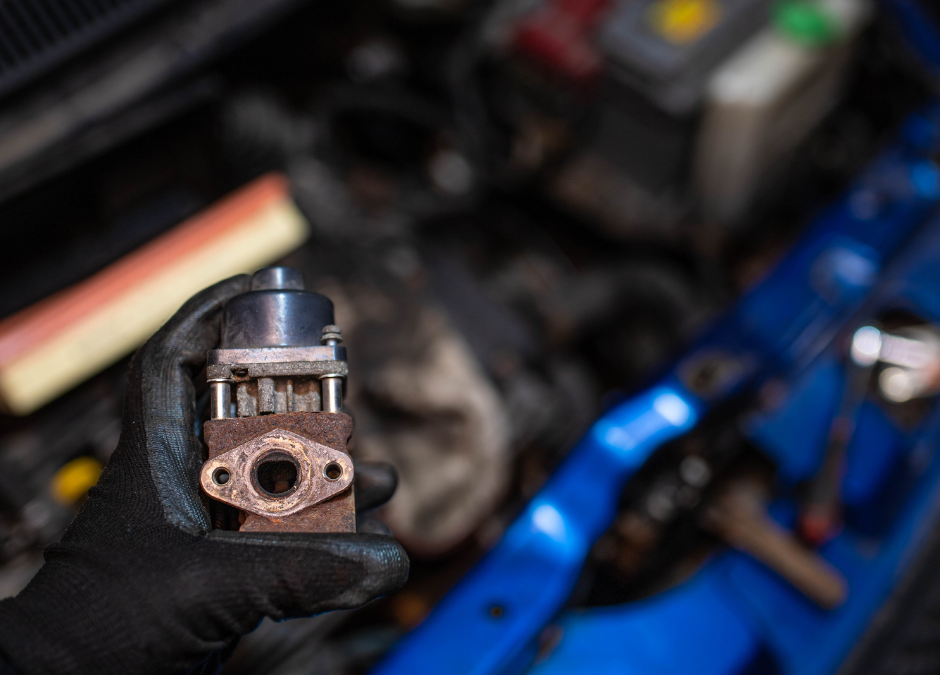
However, deposits can accumulate in the EGR valve and related passages, particularly on vehicles that regularly experience certain driving conditions.
Signs of a Potential EGR Problem
An EGR-related issue can present itself in several ways, although similar symptoms can also be caused by other engine or emissions components. Drivers may notice reduced engine responsiveness, sluggish acceleration, uneven running, increased smoke, unusual exhaust behaviour, an illuminated engine management warning light or poorer-than-usual fuel economy.
These symptoms should not automatically be attributed to the EGR system. Proper diagnostic testing is important because modern diesel engines contain interconnected systems, including turbochargers, sensors, intake components and emissions equipment.
Why Carbon Build-Up Matters
Diesel combustion naturally produces soot, while exhaust gases can carry contaminants through the recirculation system. Over time, deposits may build up around the EGR valve and intake passages.
If deposits become significant, they can interfere with the valve’s movement or restrict airflow. This may affect how efficiently the engine manages recirculated gases and potentially contribute to drivability problems.
The severity of carbon accumulation can vary considerably between vehicles depending on engine design, mileage, maintenance and driving conditions.
Exploring the Right Solution
There is no single solution that is appropriate for every EGR problem. The correct approach depends on the vehicle, the symptoms and the underlying cause.
A professional assessment can help establish whether the issue is related to carbon contamination, an electrical fault, a mechanical problem or another component altogether. Depending on the diagnosis, possible approaches may include cleaning, component repair or replacement where appropriate.
Drivers should be cautious about choosing a solution simply because it promises to remove a warning light or restore performance quickly. Identifying the underlying fault is a more reliable starting point.
How Professional Diagnostics Can Help
Modern vehicle diagnostics can provide valuable information about faults stored within the engine management system. A technician can combine diagnostic information with physical inspection and vehicle symptoms to develop a clearer picture of what is happening.
This approach can prevent unnecessary parts replacement and help ensure that the selected repair or maintenance procedure addresses the actual problem.
Keeping Your Diesel Performing Properly
Regular servicing and attention to warning signs can help identify developing issues before they become more disruptive. Drivers should follow the manufacturer’s maintenance recommendations and investigate persistent changes in engine behaviour rather than simply ignoring them.
For motorists researching EGR solutions Cannock, understanding the cause of the problem is just as important as choosing the eventual remedy. A properly assessed vehicle can receive a solution that is appropriate for its condition and intended use.
Conclusion
EGR technology plays an important role in modern diesel emissions control, but deposits, faults and component wear can sometimes affect vehicle performance. Recognising symptoms and obtaining professional diagnostics can help drivers understand what their vehicle actually needs instead of relying on guesswork.
For local motorists looking for experienced vehicle tuning and EGR-related services, MPG Tuning can provide professional guidance based on the vehicle and its individual requirements.