
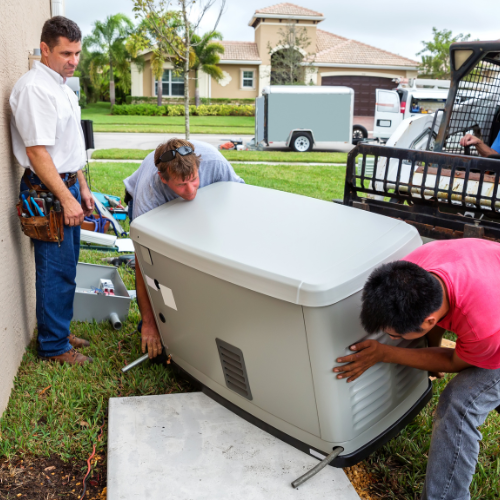
Power outages can happen unexpectedly due to severe weather, equipment failures, or maintenance work on the electrical grid. While short interruptions may be manageable, extended outages can disrupt daily routines, affect essential appliances, and create safety concerns. Installing a home generator provides a reliable backup power solution that helps maintain normal operations during unexpected power loss.
A professional generator installation involves much more than placing equipment outside a property. It includes careful planning, electrical integration, safety inspections, and performance testing to ensure the system operates efficiently when needed. Understanding the installation process helps homeowners prepare for the project and make informed decisions.
For homeowners researching home generators installation Newark, knowing what happens during each stage of a professional installation provides confidence and helps set realistic expectations.
Why Professional Installation Matters
A home generator connects directly to a property’s electrical system. Because it involves fuel systems, electrical wiring, transfer switches, and local electrical requirements, proper installation is essential for safety and long-term reliability.
Professional installation helps ensure:
- Safe electrical connections
- Correct system sizing
- Reliable backup power performance
- Compliance with electrical regulations
- Reduced risk of equipment failure
An experienced installer evaluates the entire electrical system before recommending the most suitable installation approach.
Step 1: Initial Property Assessment
Every installation begins with a detailed site assessment. Since every property has different electrical demands and layout requirements, a professional evaluates several factors before starting the project.
During this stage, they typically review:
- Electrical panel capacity
- Power requirements
- Available installation space
- Fuel source availability
- Existing electrical infrastructure
The goal is to determine which generator size and configuration will best support the property’s essential electrical needs.
Step 2: Determining Generator Capacity
Selecting the correct generator size is one of the most important decisions in the installation process.
A generator that is too small may struggle to power critical equipment, while an oversized unit may increase installation costs without providing additional practical value.
Professionals calculate electrical demand by considering:
Essential Appliances
Critical systems often include:
- Refrigerators
- Heating or cooling equipment
- Lighting circuits
- Water pumps
- Security systems
Future Electrical Needs
Some homeowners also plan for future electrical upgrades, allowing the generator to support additional equipment later if required.
Proper load calculations ensure balanced performance during power outages.
Step 3: Choosing the Installation Location
Generator placement affects both safety and efficiency.
A suitable installation location should provide:
- Proper ventilation
- Adequate clearance
- Easy maintenance access
- Protection from flooding
- Safe distance from occupied spaces
Careful positioning also helps reduce operational noise while maintaining compliance with safety requirements.
Step 4: Installing the Transfer Switch
One of the most important components of the entire system is the transfer switch.
The transfer switch automatically detects power outages and safely transfers electrical supply from the utility source to the generator.
Its functions include:
- Preventing dangerous backfeeding
- Protecting utility workers
- Managing automatic startup
- Restoring normal power when utility service returns
This component allows the generator to operate safely without manual electrical switching.
Step 5: Electrical Connections
After equipment placement, licensed professionals connect the generator to the home’s electrical system.
This stage typically involves:
- Connecting electrical wiring
- Integrating the transfer switch
- Installing circuit protection
- Verifying grounding
- Inspecting electrical connections
Every connection is carefully checked to ensure reliable performance under operating conditions.
Step 6: Fuel System Connection
Depending on the generator type, the installer connects the appropriate fuel source.
Common fuel options include:
- Natural gas
- Propane
- Diesel
Each option has different installation requirements, and professionals ensure the fuel supply supports safe, uninterrupted generator operation.
Step 7: System Testing and Inspection
Once installation is complete, the entire system undergoes comprehensive testing.
Professionals verify:
- Generator startup
- Automatic transfer switch operation
- Voltage output
- Electrical stability
- Overall system performance
Testing confirms that the generator responds correctly during simulated power failures.
Common Installation Challenges
While most installations proceed smoothly, some properties may require additional electrical modifications.
Possible challenges include:
- Outdated electrical panels
- Limited installation space
- Fuel supply adjustments
- Grounding improvements
- Increased electrical capacity requirements
Experienced installers identify these issues early and recommend suitable solutions before installation begins.
Homeowner Responsibilities After Installation
A professionally installed generator still requires regular maintenance to remain dependable.
Recommended maintenance includes:
- Routine inspections
- Scheduled servicing
- Battery checks
- Fuel system inspection
- Periodic operational testing
Following the manufacturer’s maintenance recommendations helps maximise equipment lifespan and reliability.
Mistakes to Avoid
Homeowners should avoid several common mistakes when planning a generator installation:
- Choosing equipment based only on price
- Underestimating electrical power requirements
- Ignoring maintenance needs
- Delaying routine inspections
- Attempting self-installation
Professional installation significantly reduces safety risks and ensures the system performs correctly when backup power is needed most.
For homeowners evaluating electrical contractors wilmington or comparing contractors with experience in generator systems, selecting qualified professionals helps ensure the installation meets both safety standards and long-term performance expectations.
Conclusion
A professional home generator installation involves careful planning, accurate electrical assessments, safe equipment integration, and detailed performance testing. Each stage plays an essential role in creating a reliable backup power system capable of supporting a property’s critical electrical needs.
Understanding the installation process allows homeowners to prepare for the project, ask informed questions, and appreciate the importance of professional workmanship. With proper installation and ongoing maintenance, a home generator provides dependable backup power and greater peace of mind during unexpected electrical outages.