
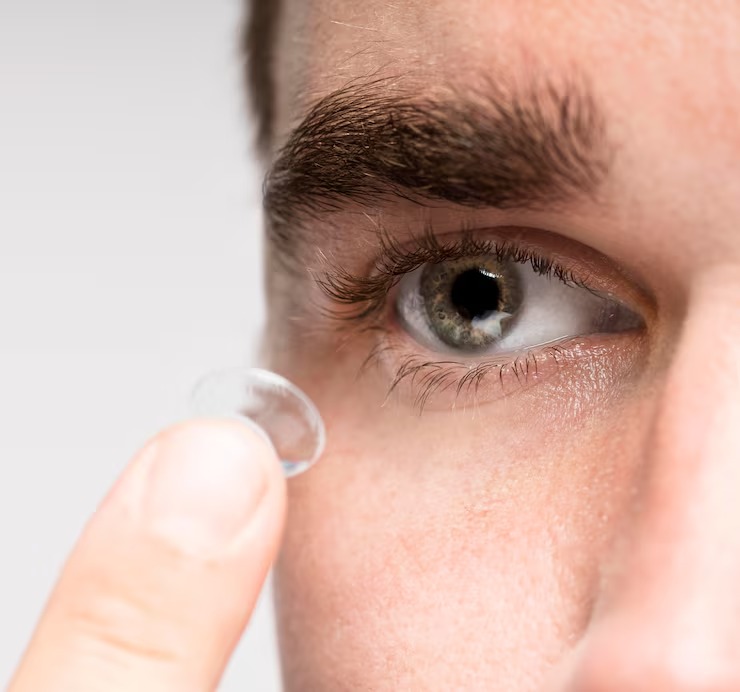
Contact lenses offer convenience, freedom, and clear vision for many people, but discomfort while wearing them is a common concern. Whether it’s irritation, dryness, or blurry vision, these issues can significantly impact your daily life. If you are searching for Contact Lenses Mississauga, it’s essential to understand that discomfort is not something you should simply tolerate. Professional optometrists can evaluate your eyes, assess your lenses, and provide solutions that improve both comfort and eye health. Understanding the causes of contact lens discomfort can help you enjoy clear, comfortable vision and avoid potential complications.
Improper Lens Fit
One of the most frequent causes of discomfort is an improperly fitted lens. Contact lenses need to match the curvature of your cornea and the size of your eyes precisely. Lenses that are too tight can restrict oxygen flow, while lenses that are too loose may move excessively, causing friction and irritation. An optometrist can measure your eyes accurately and recommend lenses that provide the best fit for your individual needs, ensuring comfort and optimal vision throughout the day.
Incorrect Prescription
Wearing lenses with an outdated or incorrect prescription can result in eyestrain, headaches, and blurred vision. Even minor prescription errors can lead to significant discomfort over time. Regular visits to an optometrist ensure that your contact lens prescription matches your current visual needs, allowing for crisp, comfortable vision. Prescription verification is especially important for individuals who frequently switch between glasses and contacts or have complex vision requirements such as astigmatism or presbyopia.
Dry Eye Syndrome
Dry eye is a common condition that can exacerbate contact lens discomfort. Insufficient tear production or poor tear quality can cause lenses to stick to the surface of the eye, leading to irritation and redness. Environmental factors, prolonged screen time, and certain medications can worsen dryness. Optometrists can evaluate tear function and recommend solutions such as rewetting drops, lens material changes, or specialty lenses designed to improve hydration and comfort.
Allergies and Environmental Factors
Allergies, dust, smoke, or pollen can contribute to lens irritation. Individuals with seasonal or chronic allergies often experience itching, burning, and redness when wearing lenses. Professional eye care providers can suggest strategies to reduce exposure, recommend lens types that minimize allergens, or prescribe medications that alleviate allergy-related discomfort. Understanding the environmental factors affecting your eyes is key to maintaining lens comfort.
Wearing Lenses for Too Long
Extended wear of contact lenses beyond the recommended duration can lead to serious discomfort and health risks. Overwearing lenses reduces oxygen supply to the cornea, increases the risk of infection, and can cause dryness or corneal abrasions. Optometrists provide guidance on safe wear schedules, including daily, bi-weekly, or monthly lens replacement plans. Adhering to professional recommendations ensures comfort and reduces the likelihood of complications.
Lens Material or Type
Not all lenses are suitable for every patient. Some people may be sensitive to certain lens materials or solutions. Soft lenses, rigid gas-permeable lenses, and hybrid lenses all have unique properties that affect comfort. An optometrist can evaluate your eyes and recommend a lens material and type that match your lifestyle, prescription, and eye sensitivity. Choosing the right lens can dramatically improve wearability and reduce irritation.
Poor Lens Hygiene
Improper cleaning and storage of contact lenses can cause bacterial buildup, debris accumulation, and irritation. Using expired solutions or failing to clean lenses thoroughly can lead to redness, burning, or infection. Optometrists emphasize proper lens care techniques, including cleaning, rinsing, and storing lenses safely. Maintaining good hygiene practices protects eye health and prevents discomfort while extending the life of your lenses.
Underlying Eye Conditions
Sometimes, contact lens discomfort is a symptom of a more serious underlying eye condition. Conditions such as conjunctivitis, corneal abrasions, keratitis, or blepharitis can make wearing lenses painful. An optometrist can perform a comprehensive eye examination to identify and treat these issues, ensuring that your eyes are healthy before continuing contact lens use. Timely detection and treatment of underlying conditions are essential for safe and comfortable lens wear.
Customizing Solutions for Your Needs
Professional optometrists can provide personalized solutions to improve contact lens comfort. This may include recommending daily disposable lenses, specialty lenses for dry eyes, or lenses with enhanced oxygen permeability. They can also advise on proper lens care routines, environmental adaptations, and replacement schedules to minimize discomfort. Customizing lens solutions ensures that patients enjoy both clear vision and all-day comfort without compromising eye health.
Conclusion
Discomfort while wearing contact lenses is not something to ignore. From improper fit and outdated prescriptions to dry eyes and underlying conditions, there are many factors that can affect lens comfort. Professional evaluation by optometrists ensures that your contact lenses are correctly fitted, your prescription is accurate, and your eyes are healthy. For residents in Mississauga seeking expert guidance and personalized care, Meadowvale Optometry offers professional assessments, tailored lens recommendations, and ongoing support to ensure every patient experiences comfortable, safe, and effective contact lens wear.