
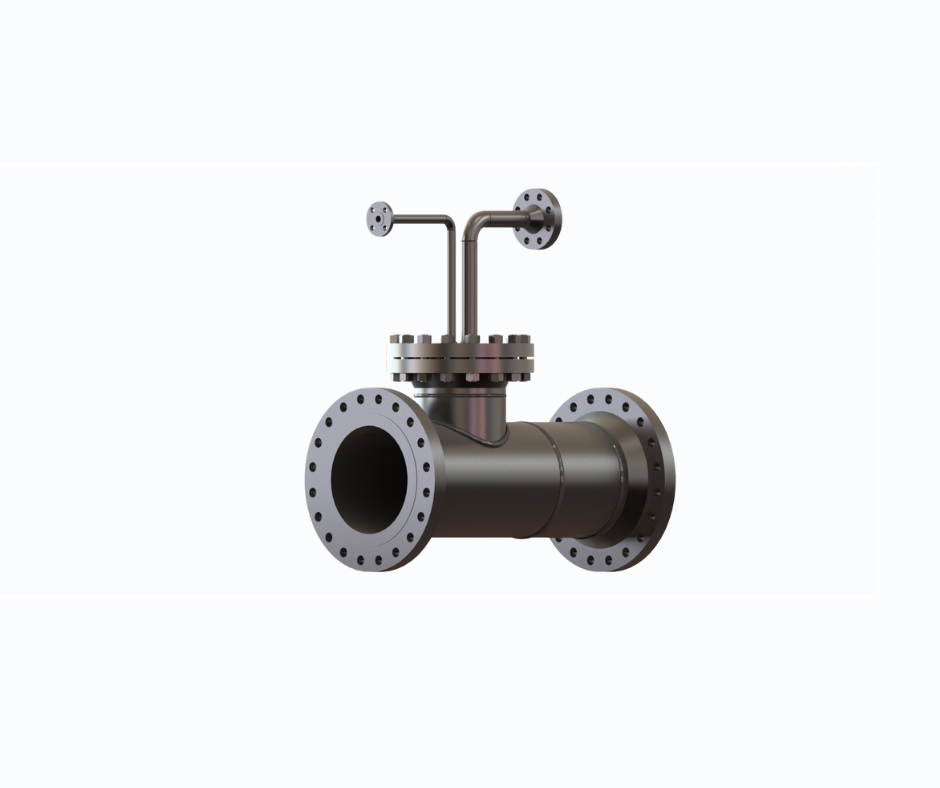
In industrial steam systems, superheated steam is often produced to ensure efficient transmission and prevent condensation during distribution. However, many downstream processes require steam at saturated conditions for optimal heat transfer and equipment protection. This is where the Boiler Desuperheater plays a vital role. By precisely controlling steam temperature without chemicals, moving parts, or complex mechanical systems, this technology ensures safe and efficient steam conditioning. Croll Reynolds designs desuperheaters specifically to meet the demanding needs of process industries where reliability, accuracy, and long service life are essential.
Understanding Superheated Steam in Boiler Systems
Superheated steam is steam that has been heated beyond its saturation temperature at a given pressure. While this condition is useful for efficient transport and preventing condensation in pipelines, it is less effective for many heat transfer applications. Superheated steam transfers heat more slowly compared to saturated steam, which can negatively impact process efficiency. Additionally, excessive temperatures can damage downstream equipment such as heat exchangers, control valves, and process vessels. For these reasons, controlled cooling of steam is often required before it enters process applications.
Why Steam Must Be Returned to Saturated Conditions
Many industrial processes depend on the latent heat of saturated steam rather than the sensible heat of superheated steam. Saturated steam condenses upon contact with cooler surfaces, releasing a large amount of energy quickly and efficiently. This makes it ideal for applications such as heating, drying, evaporation, and distillation. Returning steam to saturated conditions ensures uniform heat transfer, improved process control, and reduced risk of thermal stress on equipment. A properly designed desuperheating system enables this transition safely and predictably.
The Principle of Direct Contact Desuperheating
Desuperheating is achieved by bringing superheated steam into direct contact with pressurized cooling water. When finely atomized water droplets are introduced into the steam flow, they rapidly absorb heat and evaporate. This evaporation process lowers the steam temperature while maintaining pressure stability. Direct contact desuperheating is considered the most efficient method because it relies on phase change rather than indirect heat exchange, allowing for rapid and precise temperature reduction.
Role of Venturi Technology in Desuperheaters
Venturi-based desuperheaters use steam velocity and pressure differentials to enhance cooling water atomization. As superheated steam enters the venturi section, its velocity increases, creating a localized low-pressure zone. This pressure drop draws cooling water into the steam stream and assists in breaking it into extremely fine droplets. The venturi geometry is carefully engineered to balance velocity increase, pressure recovery, and mixing efficiency, ensuring consistent desuperheating across a wide range of operating conditions.
Atomization and Turbulent Mixing Mechanism
Cooling water enters the desuperheater nozzle at relatively low velocity, forming a thin liquid film. The high-speed steam flow creates intense shear forces that break the water film into fine particles. This high shear and turbulence significantly increase the contact surface area between steam and water. As a result, heat transfer occurs rapidly, and the cooling water evaporates almost instantaneously. This efficient mixing ensures uniform steam temperature downstream without localized overheating or moisture carryover.
Pressure Recovery and Minimal Steam Pressure Drop
After atomization and mixing, the steam-water mixture passes through an expanding section where velocity decreases and pressure is partially recovered. This controlled expansion allows the system to achieve effective cooling while maintaining stable downstream pressure. One of the key advantages of venturi-type desuperheaters is that they introduce negligible pressure drop on the steam side. Maintaining pressure integrity is critical in boiler systems, where even small losses can impact overall plant efficiency and control.
Cooling Water Requirements and System Stability
For effective operation, cooling water pressure must be slightly higher than the steam inlet pressure. This pressure differential ensures proper injection and atomization of water into the steam flow. Adequate water quality and pressure control are essential to maintain stable performance and avoid issues such as incomplete evaporation or downstream condensation. When properly designed, the desuperheating process remains stable even during load fluctuations, making it suitable for dynamic operating environments.
Reliability Through a No-Moving-Parts Design
One of the defining characteristics of this technology is its mechanical simplicity. With no moving parts, lubricants, or complex mechanical assemblies, the system offers exceptional reliability and long service life. This design minimizes wear, reduces maintenance requirements, and lowers the risk of unexpected downtime. The desuperheater can also be fabricated from a wide range of materials, including carbon steel, stainless steel, and high alloys, allowing it to withstand demanding process conditions.
Industrial Applications and Process Benefits
Desuperheaters are widely used across chemical processing, power generation, oil and gas refining, and pulp and paper industries. In these applications, precise steam temperature control improves heat transfer efficiency, protects equipment, and enhances overall process stability. By ensuring that steam enters processes at the correct thermal condition, desuperheaters contribute to improved product quality, reduced energy consumption, and safer plant operation.
Conclusion
By converting superheated steam into saturated steam through controlled water injection and advanced venturi design, the Boiler Desuperheater provides a safe, efficient, and reliable solution for steam temperature control. Its ability to operate without chemicals, moving parts, or significant pressure loss makes it an ideal choice for demanding industrial environments. With engineered designs focused on performance and durability, Croll Reynolds continues to deliver desuperheating solutions that support efficient heat transfer, equipment protection, and long-term operational reliability.


MOST COMMENTED
Shopping
Top Picks for Comfortable Skinny Jeans in High-Waist Styles for Petite and Curvy Figures
Shopping
Why Every Wardrobe Needs a Perfect White T Shirt
Dentist
Why Dental Implants Are Considered the Gold Standard for Tooth Replacement
Signage
What Makes Trade Show Exhibits in Long Island Stand Out at Busy Events
solar panel
How Green Solar in Townsville Is Helping Property Owners Take Control of Energy Costs
Plumbing
The Benefits of Regular Plumbing Maintenance for Homes and Businesses
Eye Care
Where to Get Professionally Fitted Contact Lenses in Brampton for Maximum Comfort