
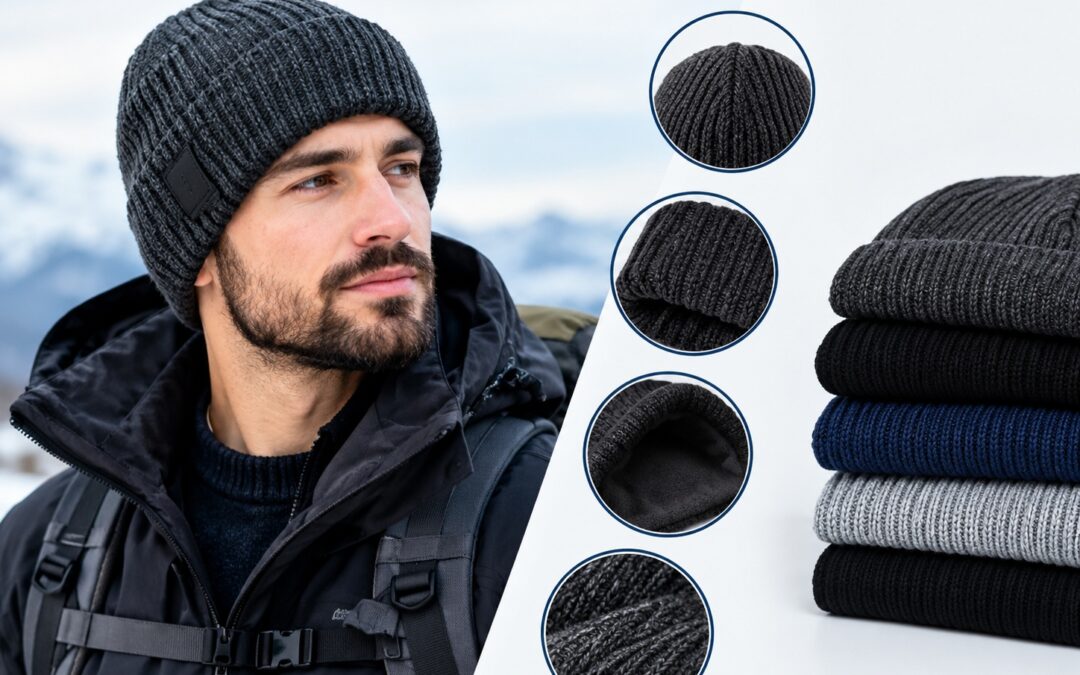
A good beanie does more than keep your head warm during cold weather. It provides comfort, complements different outfits, and offers reliable protection during outdoor activities. Whether you are commuting to work, walking in winter weather, travelling, or spending time outdoors, the right headwear can make a noticeable difference. When shopping for beanie hats for men, it is important to look beyond appearance and consider factors such as fabric quality, fit, warmth, breathability, and durability. Understanding these features helps you choose a beanie that suits your lifestyle and performs well throughout the season. With several materials, designs, and thicknesses available, knowing what to look for can make your purchase more practical and worthwhile.
Choose the Right Material for Comfort and Warmth
Material is one of the most important factors when selecting a beanie. Different fabrics provide different levels of insulation, softness, breathability, and moisture management. Wool is a popular choice for colder conditions because it retains warmth while allowing moisture to escape. Merino wool offers a softer texture and is often preferred by people who find traditional wool uncomfortable.
Acrylic is another practical option because it is generally lightweight, easy to maintain, and resistant to everyday wear. Fleece-lined designs can provide additional insulation when temperatures drop. Cotton blends may work well in milder weather, although they generally retain moisture more readily than wool. Consider your local climate, intended activities, and personal comfort preferences before choosing a fabric. The right material helps ensure that your beanie feels comfortable without causing unnecessary overheating.
Find a Fit That Stays Comfortable All Day
A well-fitting beanie should stay securely in place without creating excessive pressure around your forehead or temples. If it is too tight, it may become uncomfortable after prolonged wear. If it is too loose, it can slip during walking, cycling, or other outdoor activities.
Look for designs with flexible knitting, stretchable fibres, or ribbed construction that can accommodate different head shapes. Cuffed beanies offer an adjustable-looking fit and additional coverage around the ears, while slouchy styles provide a more relaxed appearance. Some manufacturers also offer different sizes, making it easier to find a suitable option.
When evaluating fit, consider whether you plan to wear the beanie alone or underneath a hood or helmet. A streamlined design may be more suitable for active use, while a roomier style can work well for casual outfits. Comfort should remain a priority regardless of the design you choose.
Consider Insulation for Different Weather Conditions
Not every winter day requires the same level of warmth. A thick, tightly knitted beanie may be ideal for freezing temperatures, while a lighter design can provide sufficient coverage during cool autumn mornings or mild winter afternoons.
The thickness of the fabric, density of the knit, and presence of an inner lining all influence insulation. Tightly knitted materials generally help reduce heat loss, while fleece linings can create an additional layer of warmth. However, heavier construction is not always the best choice, especially when you are physically active.
For hiking, outdoor work, or extended walks, choose a beanie that balances insulation with moisture management. For everyday errands and commuting, a medium-weight option may offer greater versatility. Matching the design to expected temperatures helps prevent discomfort and allows you to use your headwear across different activities and seasons.
Look for Breathability and Moisture Management
Keeping warm is important, but allowing excess heat and moisture to escape is equally valuable. During physical activity, your body produces heat and sweat. A poorly ventilated beanie can trap moisture, leaving your head feeling damp and uncomfortable.
Breathable fabrics help regulate temperature by allowing air and water vapour to move through the material. Wool is particularly useful in changing weather conditions because it can absorb some moisture while continuing to provide insulation. Synthetic fibres may also offer effective moisture management, depending on their construction and finish.
If you frequently exercise outdoors, walk long distances, or work in physically demanding environments, prioritize lightweight materials with suitable moisture-handling properties. For casual use in colder conditions, a thicker design may be more appropriate. Choosing according to activity level helps maintain comfort without sacrificing warmth.
Examine Construction and Overall Durability
A quality beanie should maintain its shape and appearance after regular use. Examine the stitching, knitting consistency, seams, and edges before making a purchase. Loose threads, uneven construction, or weak seams may indicate that the product will not withstand frequent wear.
Ribbed knits can provide flexibility and help the beanie retain its shape. Reinforced seams may improve durability in designs that use stitched panels, while well-finished edges can reduce the likelihood of premature fraying. Fabric quality also matters because some materials are more prone to pilling, stretching, or shrinking than others.
Care instructions deserve attention as well. A beanie that requires complicated cleaning may be less convenient for everyday use. Follow the manufacturer’s washing and drying recommendations to help preserve its texture, elasticity, and color. Investing in sound construction can reduce the need for frequent replacements.
Select a Style That Matches Your Wardrobe
Practical features matter, but appearance also influences how often you wear a beanie. Neutral colors such as black, grey, navy, and brown are versatile choices that pair easily with coats, jackets, sweaters, and casual clothing. Brighter colors can introduce contrast and make an outfit more distinctive.
Cuffed beanies generally create a classic, structured look, while slouchy designs offer a relaxed street-wear aesthetic. Minimal branding suits people who prefer understated accessories, whereas decorative details can provide additional personality.
Think about where you will wear the beanie most often. A simple, neutral design may be suitable for commuting and everyday errands, while a more expressive style may work better for casual outings. Selecting a design that complements your existing wardrobe makes it easier to incorporate the accessory into different outfits without compromising functionality.
Check Value, Care Requirements, and Versatility
Price alone does not determine whether a beanie is a good purchase. Instead, consider how well its material,construction,comfort, and expected lifespan match your needs. A reasonably priced product with reliable stitching and easy-care fabric may offer better long-term value than a cheaper alternative that quickly loses its shape.
Check the care label before buying, especially if you prefer machine-washable accessories. Some wool products require gentle hand-washing, while many acrylic designs are easier to maintain. Proper storage also helps prevent stretching and unnecessary wear.
Versatility is another useful consideration. A lightweight design that works during autumn and spring may provide more opportunities for use, while a heavily insulated option can be worthwhile for consistently cold conditions. Choose based on your actual routine rather than features you are unlikely to need.
Conclusion
Choosing the right beanie involves balancing warmth, comfort, fit, breathability, durability, and personal style. Paying attention to fabric composition, construction quality, and maintenance requirements can help you identify an option that suits your everyday needs. Consider the weather conditions and activities you regularly encounter, and avoid selecting a product based on appearance or price alone. A thoughtfully chosen beanie can become a dependable part of your cold-weather wardrobe for seasons to come. For shoppers exploring practical headwear and everyday apparel options, Ethic Star Ltd offers an opportunity to find products that align with individual preferences for comfort, functionality, and style.