
Introduction
A damaged, severely decayed, infected, or problematic tooth can affect much more than your smile. If left untreated, dental problems may cause persistent pain, infection, difficulty eating, and complications involving surrounding teeth and gums. For patients considering tooth extraction frankston, understanding when extraction may be recommended and how professional treatment can protect overall oral health is important. While dentists generally aim to preserve natural teeth whenever possible, removing a tooth can sometimes be the safest option when it cannot be effectively restored.
When Might Tooth Extraction Be Necessary?
Tooth extraction may be recommended when a tooth has suffered extensive damage or cannot be restored through treatments such as fillings, crowns, or other restorative procedures. Severe decay can weaken the tooth structure to the point where restoration is no longer practical.
Extraction may also be considered for teeth affected by advanced infection, significant fractures, or severe gum disease. In some situations, wisdom teeth may need to be removed when they are impacted, overcrowded, or causing repeated discomfort.
A thorough dental examination helps determine whether extraction is genuinely necessary or whether another treatment could preserve the natural tooth.
How Extraction Can Protect Oral Health
Removing a problematic tooth can help prevent existing dental issues from becoming more serious. For example, a severely infected tooth can potentially affect nearby tissues if the infection is not appropriately managed.
An extraction can remove the source of infection or prevent a damaged tooth from causing further complications. It may also protect neighbouring teeth from excessive pressure, decay, or damage in certain circumstances.
Professional assessment is essential because the decision to remove a tooth should be based on the patient’s individual oral health and treatment needs.
The Importance of Professional Assessment
Before an extraction, a dentist will normally examine the affected tooth and surrounding structures. Dental imaging may be recommended to understand the tooth’s position, roots, and relationship with nearby tissues.
The dentist can then discuss the available treatment options and explain why extraction may or may not be appropriate. This gives patients an opportunity to understand the procedure, expected recovery, and possible replacement options before making an informed decision.
What Happens During a Tooth Extraction?
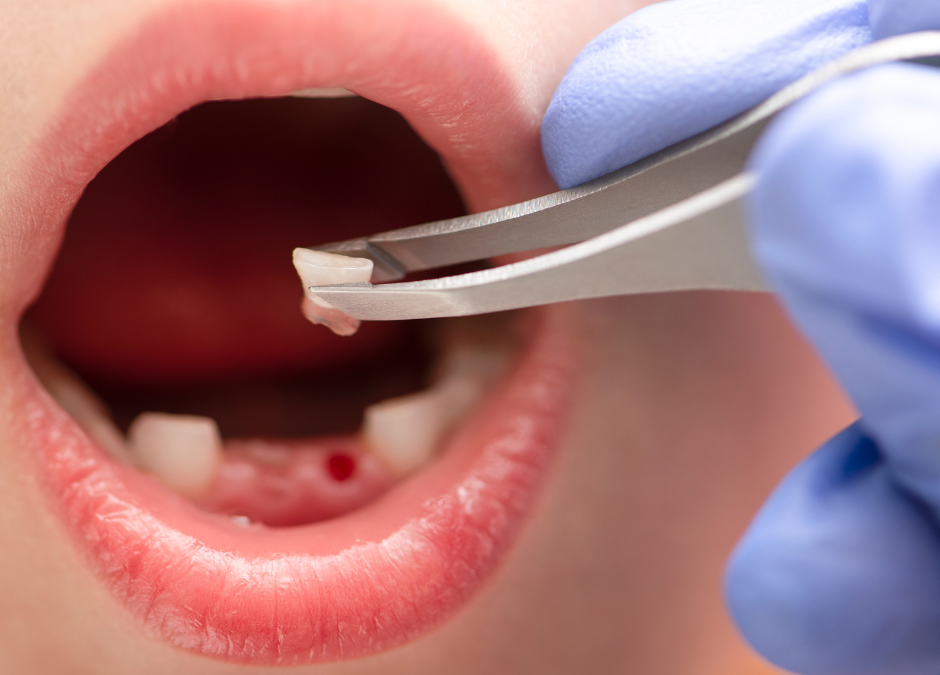
The exact procedure depends on the condition and position of the tooth. A straightforward extraction may involve carefully loosening and removing the tooth from its socket. More complex cases may require a surgical approach, particularly when a tooth is broken below the gum line or difficult to access.
Local anaesthesia is commonly used to numb the treatment area. The dental professional works carefully to minimise unnecessary trauma to surrounding tissues while safely removing the tooth.
After the procedure, patients receive instructions about caring for the extraction site and supporting the healing process.
Recovery and Aftercare
Following an extraction, some tenderness, swelling, or mild discomfort can occur. The dentist will provide specific aftercare instructions based on the procedure and the patient’s circumstances.
Keeping the extraction area clean and avoiding activities that could interfere with healing are important. Patients should follow their dentist’s advice regarding eating, brushing, and other activities during the initial recovery period.
If unusual or worsening symptoms occur after treatment, contacting the dental practice promptly is important so the situation can be assessed.
Replacing a Missing Tooth
After an extraction, replacing the missing tooth may be an important part of long-term dental planning. Depending on the individual’s circumstances, options may include dental implants, bridges, or dentures.
Replacing a missing tooth can restore chewing function and help maintain a balanced smile. A dentist can discuss suitable options and develop a treatment plan based on factors such as oral health, bone structure, lifestyle, and personal preferences.
Benefits of Timely Dental Treatment
Delaying treatment for a severely damaged or infected tooth may allow the problem to progress. Seeking professional advice early can help identify the most appropriate solution before complications develop.
In some cases, timely treatment may make it possible to save the natural tooth. When saving it is not possible, appropriate extraction can help prevent further problems and create a healthier foundation for future dental treatment.
Maintaining Oral Health After Extraction
Good oral hygiene remains important after tooth removal. Once the extraction site has healed sufficiently, maintaining regular brushing, flossing, and professional dental check-ups can help protect the remaining teeth and gums.
Patients should also address the underlying cause of the dental problem whenever possible. Improving oral hygiene, reducing frequent sugary foods and drinks, and attending routine examinations can help lower the risk of future dental issues.
Conclusion
Professional tooth extraction can sometimes play an important role in protecting oral health when a tooth is severely damaged, infected, or otherwise unsuitable for restoration. Careful assessment, appropriate treatment, and proper aftercare can help reduce complications while supporting long-term dental health. Patients should always discuss their individual circumstances with a qualified dental professional before deciding on extraction. For comprehensive dental care and personalised treatment planning, Cranbourne Dental Centre can help patients explore suitable options for maintaining a healthy and confident smile.