
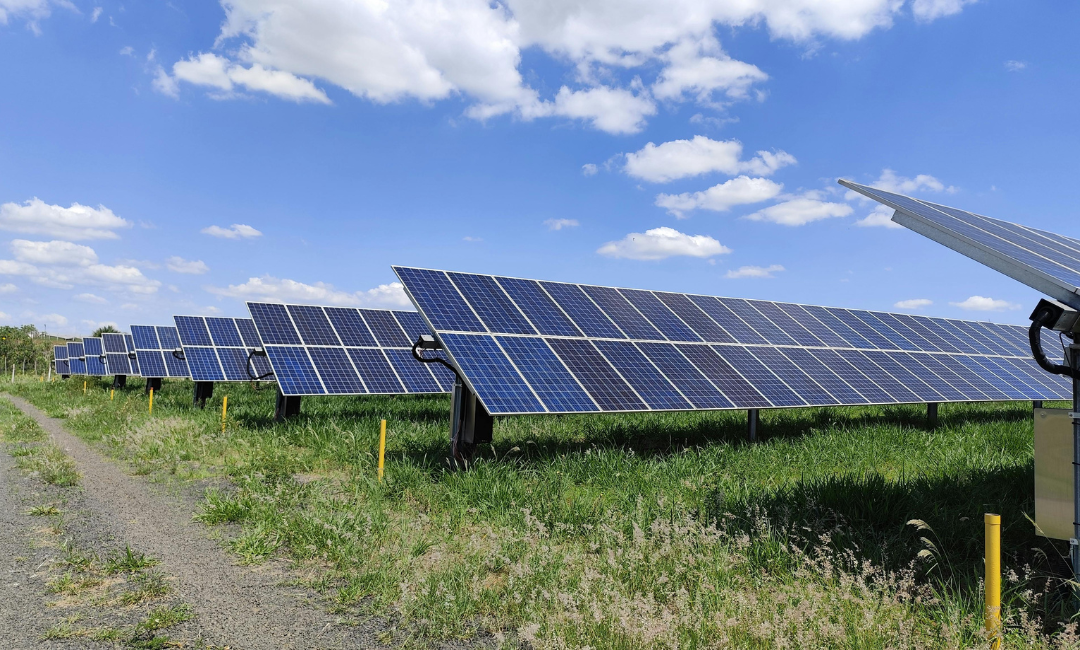
Switching to solar power can be a practical way to manage household electricity expenses and make better use of renewable energy. However, before requesting a quote, homeowners should evaluate several aspects of their property to determine whether it is suitable for a solar installation. Understanding these factors in advance can help you compare proposals, choose an appropriate system size, and avoid unexpected costs during installation.
1. Evaluate Your Roof Condition
Your roof is one of the first things to assess before installing solar panels. The roof should be structurally sound and capable of supporting the proposed mounting system. Damaged tiles, deteriorating roofing materials, or signs of water leakage may require attention before installation begins.
Consider the age and expected remaining life of your roof as well. If major repairs or replacement are likely within the next few years, completing this work before installing solar panels may help avoid the expense of removing and reinstalling the equipment later.
2. Check Sunlight Exposure and Roof Orientation
Solar panels generate electricity from sunlight, so the amount of available sunlight can influence system performance. Trees, nearby buildings, chimneys, and other obstructions may cast shadows across parts of the roof and reduce electricity generation.
Observe how sunlight reaches different sections of your roof throughout the day. However, a professional assessment is still important because roof orientation, panel angle, seasonal shading, and available installation space all influence the final design. Even a property with limited direct sunlight may have suitable options depending on its layout.
3. Review Your Household Electricity Consumption
Understanding your electricity usage can help determine the solar system capacity that best matches your household’s needs. Review recent electricity bills to identify your average consumption, seasonal changes, and periods of particularly high demand.
Consider which appliances contribute most to your electricity usage. Air conditioning, electric hot water systems, pool pumps, and other high-consumption appliances can significantly affect household demand.
It is also useful to consider when electricity is consumed. Households that use more electricity during daylight hours may be able to use a greater proportion of their solar generation directly, while those with high evening demand may benefit from evaluating battery storage.
4. Inspect Your Electrical Switchboard
The existing electrical infrastructure is another important consideration before installing solar panels. An electrician or qualified solar installer can assess the switchboard, wiring, protective devices, and available capacity to determine whether any upgrades are necessary.
Older electrical systems may require modifications to meet current safety requirements or accommodate the proposed installation. Identifying these needs before accepting a quote can help you understand the potential total cost of the project.
Homeowners should avoid attempting electrical inspections or modifications themselves. These tasks should be completed by appropriately qualified professionals.
5. Consider Future Energy Requirements
Your current electricity consumption may not reflect your future needs. You might be planning to purchase an electric vehicle, install a swimming pool, add new air conditioning units, or extend your home.
Discuss these plans when requesting a solar quote. A system designed with future electricity requirements in mind may offer greater flexibility and reduce the need for substantial changes later.
If you are considering a battery, ask whether the proposed inverter and other system components are compatible with your intended storage options. Battery readiness depends on the equipment selected and the design of the installation.
6. Understand Your Budget and Installation Costs
Solar installation costs can vary depending on system capacity, equipment quality, roof complexity, electrical upgrades, and installation requirements. Rather than comparing quotes based on price alone, examine what each proposal includes.
Check the number and type of panels, inverter specifications, estimated electricity generation, product warranties, workmanship coverage, monitoring features, and any additional charges.
Homeowners researching affordable solar Cairns options should also consider the expected usable electricity, self-consumption opportunities, and long-term equipment reliability. The lowest initial price does not necessarily represent the best overall value.
Ask the installer to explain any assumptions used in estimated savings calculations. Actual savings will depend on household consumption, electricity tariffs, weather conditions, system performance, and applicable export arrangements.
7. Check Local Installation Requirements
Before proceeding, ask about grid connection approval, applicable electrical requirements, and any relevant property restrictions. Requirements can vary depending on the electricity network, system size, property type, and installation location.
In areas such as Cairns, local weather conditions should also form part of the planning process. Discuss suitable mounting hardware, wind-loading considerations, and installation practices appropriate for the property and local conditions.
If your property has a heritage designation, strata arrangements, or other restrictions, confirm whether additional permissions are needed before scheduling the installation.
8. Prepare Questions for Your Solar Quote
Once you have reviewed your roof, electricity consumption, electrical infrastructure, and budget, prepare a list of questions for prospective installers.
Ask how the recommended system size was calculated, whether shading has been assessed, what equipment will be supplied, and whether any electrical or roofing work is excluded from the quote. You should also clarify installation timelines, warranty arrangements, monitoring options, and the process for obtaining grid connection approval.
A detailed quote should explain the proposed system and its expected performance without relying on unrealistic savings promises.
Conclusion
Preparing your home for solar involves more than choosing panels and comparing prices. Roof condition, sunlight exposure, household electricity consumption, electrical infrastructure, future energy requirements, and installation costs all influence the suitability of a solar system.
Taking time to review these factors before requesting a quote can help you make a more informed decision and select equipment that fits your property and energy goals. By discussing your requirements with a qualified installer, you can better understand your options and plan a solar installation with confidence.