
Introduction
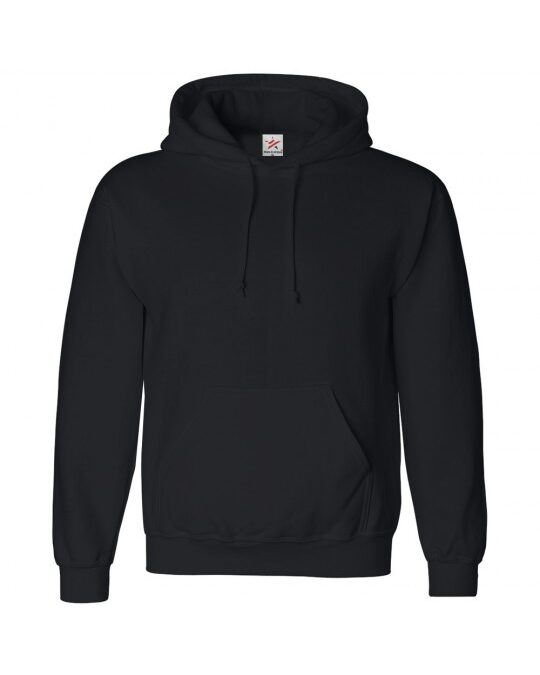
A black hoodie may look simple, but its quality depends on several details that are not always obvious at first glance. From fabric composition and stitching to colour retention and finishing, every element influences how a hoodie feels, fits, and performs over time. Understanding these factors helps consumers make informed clothing choices and enables businesses to select garments that meet their customers’ expectations. Whether buying a hoodie for everyday wear, custom printing, or bulk orders, looking beyond appearance can make a significant difference.
Fabric Composition Makes a Difference
The fabric is one of the most important factors determining hoodie quality. Different materials offer different levels of softness, warmth, breathability, and durability.
Cotton hoodies are popular because they generally provide a soft, comfortable feel. Ring-spun cotton is produced using a process that creates smoother, finer yarn, making it a desirable option for garments intended for regular use. Cotton-polyester blends can offer additional shape retention and may reduce shrinkage compared with some all-cotton fabrics.
The best fabric depends on how the hoodie will be used. Lightweight materials work well for layering, while heavier fabrics may provide more warmth and a structured appearance.
Fabric Weight and Density
Fabric weight is another detail worth examining. It is commonly measured in GSM, meaning grams per square metre. A higher GSM usually indicates a heavier fabric, but weight alone does not guarantee superior quality.
A well-made lightweight hoodie can be comfortable and durable, while a poorly constructed heavyweight hoodie may lose its shape or develop surface wear. Fabric density, yarn quality, and knitting construction also affect the final result.
When comparing black hoodies, consider whether the material feels appropriate for the intended purpose. Everyday clothing, winter layering, workwear, and printed merchandise may each require different fabric weights.
Colour Consistency and Fade Resistance
Black is a classic clothing colour, but maintaining its appearance can be challenging. Repeated washing, exposure to sunlight, friction, and unsuitable detergents can gradually cause fading.
The quality of the dyeing process influences how well a hoodie retains its original colour. Consistent dyeing also helps prevent uneven shades across different sections of the garment.
Before purchasing, examine the hoodie under good lighting to check for colour variations. Following the care label, washing dark garments with similar colours, and avoiding excessive heat can help preserve their appearance.
For businesses ordering multiple hoodies, colour consistency between garments is particularly important for uniforms, merchandise, and branded clothing.
Stitching and Construction Quality
Stitching is one of the hidden details that separates a well-made hoodie from a poorly constructed one. Even high-quality fabric can result in an unsatisfactory garment if the seams are weak or uneven.
Check the shoulder seams, sleeve attachments, side seams, and areas around the pockets. Neat stitching, secure seams, and consistent construction are useful signs of careful manufacturing.
The cuffs and waistband also deserve attention. Ribbed fabric that provides a comfortable fit and returns to its original shape after stretching can improve the garment’s usability. Loose threads, irregular seams, and poorly secured edges may indicate inconsistent finishing.
Fit, Shape Retention, and Shrinkage
A hoodie should maintain its intended fit after regular wear and washing. Poorly controlled shrinkage can affect sleeve length, body width, and overall comfort.
Fabric composition, knitting structure, and manufacturing treatments all influence how a garment responds to washing. Cotton-rich materials may shrink if they are exposed to excessive heat, although the amount varies by construction and processing.
The cut is equally important. Shoulder placement, sleeve length, body proportions, and the shape of the hood all contribute to the final fit.
A quality black hoodie should suit its intended style, whether that means a relaxed oversized silhouette, a regular fit, or a more fitted design.
Printing and Embroidery Compatibility
For custom clothing businesses, the quality of a black hoodie also depends on how well its surface works with decoration techniques.
Screen printing, direct-to-garment printing, heat-applied designs, and embroidery each have different requirements. A smooth, stable fabric surface can help produce consistent results, although the ideal material depends on the chosen technique.
Embroidery requires suitable fabric stability to minimise puckering, while printing may require particular fabric compositions and pretreatment processes. Black garments can also need careful colour management to ensure that designs remain clear and visually balanced.
Businesses should test samples before placing large orders. This helps identify potential problems with print adhesion, design detail, stitching, or fabric distortion before committing to a full production run.
Zips, Drawstrings, and Other Finishing Details
Small components can influence both the appearance and everyday usability of a hoodie.
For zip-up styles, check that the zip moves smoothly and that its stitching is secure. Drawstrings should be appropriately finished, while eyelets should be firmly attached. Pocket openings should feel secure and sit evenly against the garment.
The hood itself should have a practical shape and enough structure to sit comfortably. These finishing details may seem minor, but they can affect how a hoodie performs during repeated use.
Washing and Maintenance Requirements
Long-term quality depends partly on how a garment is maintained. Incorrect washing methods can contribute to fading, shrinkage, pilling, and damage to decorative details.
To keep a black hoodie in good condition:
- Turn it inside out before washing to reduce surface friction.
- Follow the manufacturer’s recommended washing temperature.
- Use a detergent suitable for dark clothing.
- Avoid excessive heat when tumble drying or ironing.
- Check care instructions before washing printed or embroidered designs.
Pilling can occur when fibres become tangled on the fabric surface. The likelihood depends on fibre characteristics, fabric construction, and the amount of friction during use. Appropriate care can help reduce unnecessary wear.
Quality Control and Manufacturing Standards
The final quality of a hoodie also depends on how consistently it is manufactured. Reliable production processes help maintain uniform sizing, colour, stitching, and finishing across individual garments and larger batches.
For retailers and bulk buyers, checking a sample before ordering can reveal differences that photographs cannot show. Inspecting measurements, seam construction, fabric feel, and colour consistency provides a more practical assessment.
Businesses should also consider supplier communication, product specifications, and consistency between repeat orders. These factors are especially important when purchasing garments for resale, staff uniforms, promotional campaigns, or custom merchandise.
Conclusion
The quality of a black hoodie depends on much more than its appearance. Fabric composition, GSM, dye quality, stitching, fit, finishing details, and manufacturing consistency all contribute to its overall performance. Careful maintenance can further help preserve the garment’s colour, comfort, and shape.
By understanding these less obvious factors, consumers can make more informed purchasing decisions, while retailers and clothing businesses can select products that better meet their requirements. A well-chosen black hoodie combines comfort, practical construction, and lasting visual appeal, making it a valuable addition to any wardrobe.