
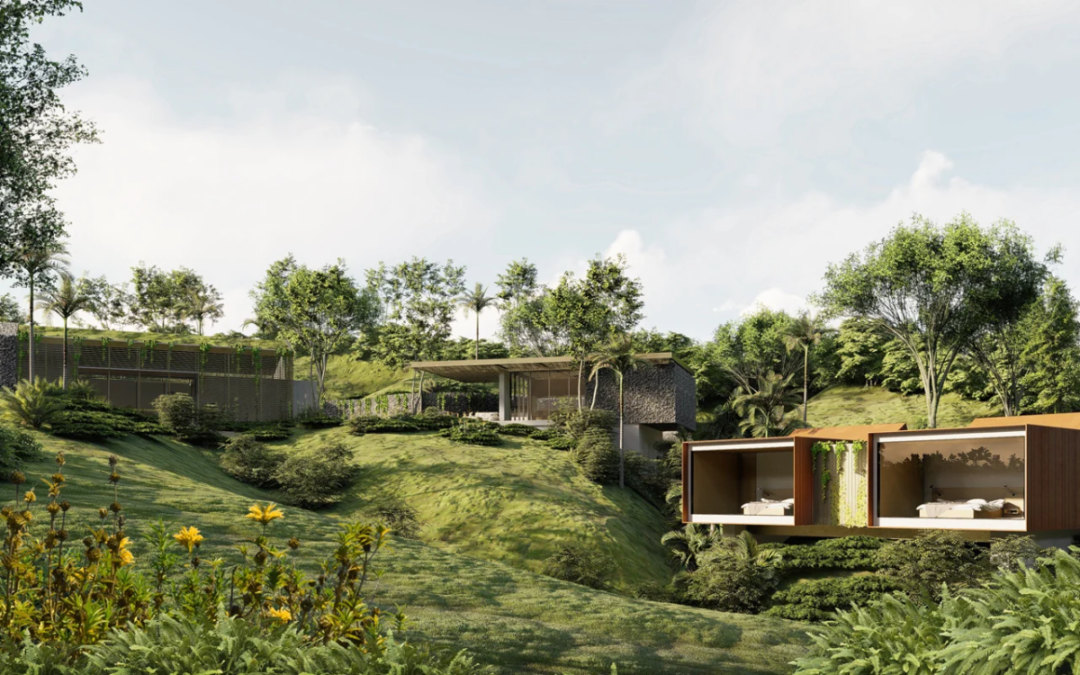
Architecture is evolving beyond creating visually appealing structures. Modern buildings must respond to environmental conditions, use resources efficiently, and provide comfortable spaces for occupants. As climate patterns change and environmental concerns become increasingly important, architects are exploring design approaches that work in harmony with nature. Climate-responsive architecture is one such approach, helping create buildings that adapt to their surroundings rather than relying entirely on artificial systems.
In regions with diverse weather conditions and rich natural landscapes, climate responsive design Costa Rica offers valuable opportunities to develop architecture that considers temperature, rainfall, humidity, sunlight, and local ecosystems. By understanding these environmental factors, architects can create buildings that support sustainability while maintaining functionality and visual appeal.
Understanding the Principles of Climate Responsive Architecture
Climate-responsive architecture involves designing buildings according to the environmental conditions of their specific locations. Instead of applying the same construction methods everywhere, architects study local weather patterns, sun exposure, wind direction, and seasonal changes before developing a design.
This approach helps determine suitable building orientations, window placements, shading systems, ventilation strategies, and construction materials. For example, buildings in warmer climates may benefit from shaded outdoor spaces, cross-ventilation, and roof designs that reduce direct heat exposure.
The objective is to create a balanced relationship between indoor environments and surrounding natural conditions. When these principles are considered during the early planning stages, buildings can achieve better environmental performance without compromising comfort or architectural quality.
Why Climate Considerations Matter in Sustainable Building Design
Every building interacts with its surrounding environment. Poorly planned structures may require excessive air conditioning, artificial lighting, and mechanical ventilation to maintain comfortable indoor conditions. These systems can increase energy consumption and contribute to a building’s overall environmental footprint.
Climate-responsive planning helps reduce dependence on such systems by making better use of natural resources. Architects can consider daylight availability, prevailing winds, solar exposure, and local vegetation to improve building performance.
In Costa Rica, where tropical conditions influence architectural requirements, these considerations are particularly valuable. High humidity, intense sunlight, and seasonal rainfall make it important to select appropriate materials and develop effective drainage, shading, and ventilation strategies.
By responding to these conditions, sustainable architecture can become more practical, efficient, and environmentally responsible.
The Role of Natural Ventilation and Daylight
Natural ventilation is an important element of climate-responsive design. Buildings with carefully positioned openings can encourage airflow and help remove accumulated indoor heat. Cross-ventilation, operable windows, and strategically designed openings allow fresh air to move through interior spaces.
This approach can improve indoor comfort while reducing the need for continuous mechanical cooling. However, ventilation strategies must also account for humidity, rainfall, insect protection, and outdoor air quality.
Natural daylight is equally important. Well-positioned windows, skylights, and open architectural layouts can bring sunlight into interior spaces while reducing dependence on artificial lighting during the day.
The challenge is managing sunlight without introducing excessive heat. Shading devices, roof overhangs, screens, and vegetation can help control direct solar exposure while maintaining bright and comfortable interiors.
Selecting Materials That Respond to Local Conditions
Material selection significantly influences a building’s durability, energy performance, and environmental impact. Climate-responsive architecture considers how construction materials behave under local temperature, humidity, rainfall, and sunlight conditions.
In tropical environments, materials must be selected carefully to withstand moisture, prevent premature deterioration, and support effective thermal performance. Proper detailing, protective finishes, moisture management, and suitable insulation can help improve building longevity.
Locally available materials may also provide opportunities to reduce transportation requirements and connect architectural designs with regional construction traditions. However, their suitability should always be evaluated according to durability, environmental impact, maintenance needs, and structural requirements.
Combining appropriate materials with thoughtful construction techniques allows architects to create buildings that remain functional and visually appealing over time.
Integrating Landscape Design with Architecture
Sustainable architecture extends beyond the building structure itself. The surrounding landscape also influences temperature, drainage, biodiversity, and the overall environmental performance of a development.
Trees and vegetation can provide natural shade, reduce heat around buildings, and create more comfortable outdoor environments. Green spaces can also support local biodiversity and improve the relationship between built areas and natural ecosystems.
In Costa Rica, where ecological diversity is an important part of the natural environment, landscape integration requires careful planning. Architects can consider existing vegetation, natural water movement, soil conditions, and surrounding habitats when developing a project.
Thoughtful site planning can help preserve valuable natural features while creating outdoor spaces that complement the architectural design.
How Climate Responsive Design Is Shaping Future Architecture
The future of sustainable architecture will increasingly depend on how effectively buildings respond to environmental challenges. Rising temperatures, changing rainfall patterns, and growing resource demands are encouraging architects to reconsider conventional construction approaches.
Climate-responsive strategies offer a practical foundation for this transition. Building orientation, passive cooling, natural lighting, water management, and landscape integration can work together to improve environmental performance.
Technology can further support these strategies through energy monitoring systems, climate analysis tools, smart shading, and building performance simulations. These solutions help architects understand environmental conditions and make more informed design decisions.
However, technology alone cannot create sustainable buildings. Successful projects require a combination of environmental research, architectural creativity, responsible material selection, and a detailed understanding of the site.
Conclusion
Climate-responsive architecture represents an important step towards creating buildings that work with their natural surroundings. By considering local weather conditions, improving natural ventilation, selecting suitable materials, and integrating landscape features, architects can develop spaces that balance comfort, functionality, and environmental responsibility.
As sustainable development continues to influence modern architecture, climate responsive design Costa Rica provides an opportunity to explore building solutions that respect the country’s distinctive environmental conditions. Through thoughtful planning and an ecological approach to design, Voidcr contributes to a broader architectural vision in which buildings and natural landscapes can coexist more harmoniously.