
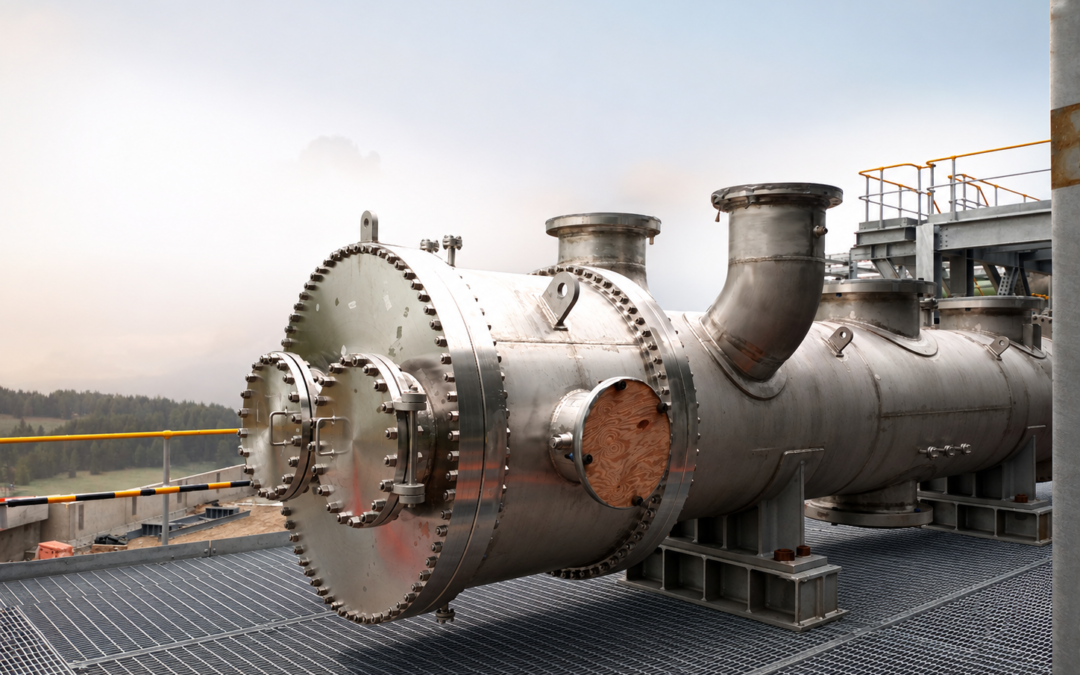
Geothermal energy has become an important part of the global transition toward cleaner and more sustainable electricity generation. By utilizing heat stored beneath the Earth’s surface, geothermal power plants can produce electricity with relatively low carbon emissions and dependable energy output. However, maintaining consistent plant performance requires more than access to underground heat resources. Every stage of the generation process must operate efficiently, including steam handling, condensation, and gas removal. This is where vacuum equipment in geothermal power generation plays an important role.
Vacuum systems help maintain suitable operating conditions in turbine condenser systems by removing air and other non-condensable gases. Their performance directly influences condenser pressure, turbine operating conditions, and the overall efficiency of a geothermal facility.
Understanding the Role of Vacuum Systems in Geothermal Power Plants
Geothermal power plants use underground steam or hot water to generate electricity. Depending on the geothermal resource and plant design, the process may involve direct steam generation, flash steam production, or a binary-cycle arrangement.
In steam-based geothermal facilities, steam passes through turbine blades to generate mechanical energy, which is converted into electricity. After leaving the turbine, the exhaust steam generally enters a condenser, where it is converted back into water.
During this process, air and other non-condensable gases can accumulate inside the condenser. Their presence can affect heat transfer and increase condenser operating pressure. A properly designed vacuum system removes these gases and helps maintain the required vacuum conditions.
This makes reliable vacuum equipment in geothermal plants an important consideration when designing new facilities or improving existing power generation operations.
Why Non-Condensable Gas Removal Matters
Non-condensable gases are a common consideration in geothermal steam applications. Unlike water vapor, these gases do not condense under normal condenser operating conditions. As they accumulate, they can interfere with the condensation process and reduce the effectiveness of the condenser.
A properly selected vacuum system continuously extracts these gases along with a controlled amount of water vapor. This helps maintain condenser performance and supports stable turbine operation.
Effective gas removal can provide several operational advantages:
- Helps maintain the required condenser vacuum.
- Supports efficient steam turbine operation.
- Reduces the negative effects of non-condensable gas accumulation.
- Helps maintain consistent power generation conditions.
- Supports reliable long-term plant operation.
The actual performance benefits depend on the geothermal resource, condenser configuration, gas composition, and equipment operating conditions.
Types of Vacuum Equipment Used in Geothermal Power Generation
Different geothermal facilities require different vacuum technologies depending on their capacity, operating pressure, steam characteristics, and maintenance requirements.
Steam Jet Ejector Vacuum Systems
Steam jet ejectors are widely used in industrial and power generation applications. They operate using high-pressure motive steam that expands through a specially designed nozzle, creating a low-pressure region that draws in gases and vapors.
The entrained gases mix with the motive steam and are discharged through a diffuser at a higher pressure.
One advantage of steam jet ejectors is their simple construction, as they have no rotating components. When properly engineered and operated within their design conditions, they can provide reliable vacuum service in demanding power plant applications.
Hybrid Vacuum Systems
Hybrid vacuum systems combine steam jet ejectors with mechanical vacuum pumps, such as liquid ring vacuum pumps. This arrangement allows different equipment technologies to work together to achieve the required vacuum performance.
Depending on the application, hybrid configurations can help reduce steam consumption while maintaining suitable operating conditions. They can be particularly useful where plant operators need to balance energy consumption, equipment reliability, and operating flexibility.
Multi-Stage Ejector Systems
Some geothermal applications require deeper vacuum levels or must handle considerable quantities of non-condensable gases. Multi-stage ejector systems use multiple ejector stages, often with condensers between stages, to progressively compress and remove gases.
The number of stages and equipment configuration depend on the required suction pressure, gas load, cooling-water conditions, and discharge pressure.
The Importance of Condensers and Heat Transfer
Vacuum equipment does not operate independently of the rest of the power plant. Its performance is closely connected to condenser design and heat-transfer conditions.
A properly selected condenser helps remove heat from exhaust steam, allowing it to condense effectively. Maintaining suitable heat-transfer performance also supports the vacuum system by reducing the amount of vapor that must be handled during gas extraction.
In geothermal binary-cycle facilities, heat exchangers have a different but equally important function. They transfer thermal energy from geothermal fluid to a secondary working fluid, which drives the turbine. Their design must account for operating temperatures, fluid properties, corrosion potential, pressure drop, and maintenance requirements.
Selecting suitable heat exchangers and vacuum equipment requires an understanding of the entire process rather than evaluating individual components in isolation.
Key Factors When Selecting Vacuum Equipment for a Geothermal Plant
Choosing suitable vacuum equipment in geothermal plant applications requires careful engineering evaluation. Some of the most important factors include:
- Gas composition: The concentration and characteristics of non-condensable gases influence equipment sizing and selection.
- Required vacuum level: The condenser operating pressure determines the vacuum performance required from the system.
- Steam consumption: Motive steam availability and consumption should be considered during the design process.
- Cooling-water conditions: Cooling-water temperature and availability influence condenser performance.
- Operating reliability: Equipment should be designed to handle expected operating conditions and variations in process load.
- Maintenance requirements: Accessibility, spare parts, and maintenance planning are important for long-term operation.
A properly engineered system should consider these factors together to achieve dependable performance throughout the plant’s operating life.
Improving Long-Term Performance Through Proper Engineering
Geothermal power generation facilities operate under varying resource and process conditions. Changes in steam composition, gas loading, cooling-water temperature, and operating pressure can influence equipment performance.
Regular monitoring and preventive maintenance help identify potential problems before they affect plant operations. Reviewing condenser pressure, ejector performance, cooling-water conditions, and gas extraction capacity can help operators identify opportunities for improvement.
For existing facilities, an engineering assessment of the installed vacuum system may also reveal opportunities for equipment upgrades, system modifications, or improved operating configurations.
Conclusion
Efficient geothermal electricity production depends on the performance of interconnected systems, including turbines, condensers, heat exchangers, and vacuum equipment. Reliable gas extraction helps maintain condenser vacuum conditions, supports turbine performance, and contributes to consistent plant operation. Selecting the right technology requires careful consideration of process conditions, gas composition, steam availability, and long-term operating requirements.
With extensive experience in industrial vacuum technology and power generation applications, Croll Reynolds designs and manufactures steam jet ejectors, multi-stage ejector vacuum systems, hybrid vacuum systems, and heat-transfer equipment for demanding industrial processes. Its engineering expertise supports geothermal and conventional power generation facilities seeking dependable, application-specific vacuum and thermal solutions.