
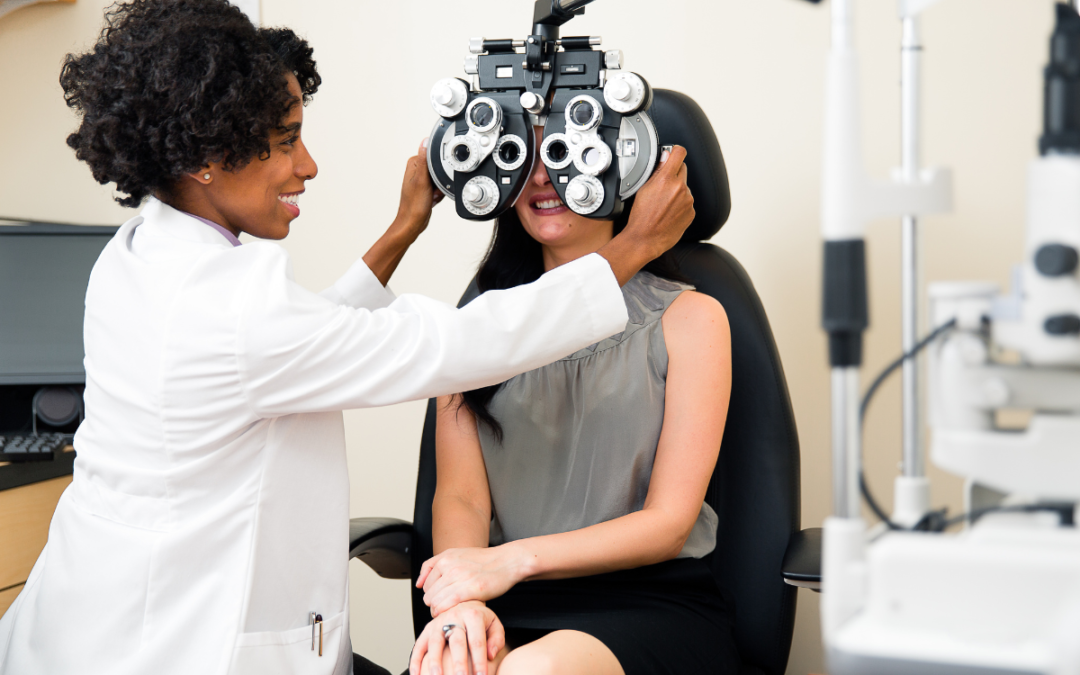
Our vision plays a big role in pretty much every part of daily life, from reading emails and driving to spotting faces and even enjoying small hobbies. And because eyesight often changes in a slow way, a lot of people just sort of adapt , without noticing that it’s maybe not as crisp or as pleasant as it used to be. So what feels like occasional eye strain, trouble focusing, or those frequent headaches, might actually be early hints that something is shifting and it’s worth getting checked by a professional.
Small changes in vision rarely happen all at once. Most times they creep in gradually, which makes them easier to ignore. That’s also why regular eye care matters so much. A thorough Eye Exam Ajax can pick up those subtle visual differences and also look at the overall condition of your eyes before the problem starts interrupting your day , or your normal routine.
Why Minor Vision Changes Often Go Unnoticed
The human brain is really remarkably adaptable. When one eye starts to compensate for the other, or vision slowly begins to drop, your brain kind of just adjusts to what it’s dealing with. So you might not even notice that your eyesight has shifted, until normal stuff like reading, moving around, or working feels a bit harder than before.
Some pretty typical signs include:
- Trouble reading small text
- Blurry vision while you’re using digital devices
- More sensitivity to bright lights, especially outdoors
- Headaches that pop up often after reading or computer work.
- Trouble focusing when you switch your gaze between close and far objects
- Less comfort while driving, particularly at night
A lot of people think these symptoms are just part of aging, or tiredness that comes and goes. But honestly, it could mean your eyes would benefit from a professional evaluation.
Everyday Activities That Can Be Affected
Even a tiny shift in your eyesight can throw off normal stuff in ways you don’t really notice at first, it just kind of creeps in.
Digital Screen Use
Whether you’re working from home or you spend hours on a computer, your eyes are always trying to rebalance focus. If your prescription is outdated, or there’s an uncorrected issue going on, screen time can feel less comfortable. That can trigger eye fatigue and, pretty quickly too, lower your overall output.
Reading and Learning
Students and working people rely on crisp vision for reading, note taking, and staying locked in mentally. If focus wobbles, then efficiency drops and longer reading blocks start feeling more tiring than they ever needed to be.
Driving Safely
Driving needs dependable distance vision, solid depth perception, plus good awareness around the edges. Small vision changes can make it tougher to estimate distances, spot road signs, or respond fast when traffic patterns shift, especially once it’s after dark.
Daily Household Activities
Cooking, gardening, workouts, shopping, and even walking downstairs lean on clear eyesight. When visual sharpness fades even a little, confidence can drop, and accidents can end up happening more often.
Vision Changes Can Affect Every Age Group
A lot of people think eye exams only matter for older adults. But changes in vision can show up in any part of life.
Kids may have trouble in class, without really realizing they can’t see the board very well.
Adults at work often deal with digital eye strain from long screen exposure.
Older adults can experience normal age driven changes, which means ongoing attention is important.
Since your visual needs change with time, routine assessments really help, so your eyes keep performing as well as possible.
Looking Beyond Your Prescription
A full eye examination does a lot more than just figuring out if you need glasses, or if your prescription should be tweaked a bit. In practice, an eye care professional looks at a handful of key pieces of your visual system, not only the “read the chart” part.
They commonly check:
- Visual acuity
- Eye coordination
- How well your focusing ability works
- Peripheral vision
- Eye pressure, (sometimes called intraocular pressure)
- Retinal health
- The condition of the optic nerve
- Overall ocular health
All of this, together can spot shifts that might not cause obvious symptoms yet. At the same time it also supports long term eye wellness, which is the whole point right?
The Value of Early Detection
Some eye problems can come on slowly and maybe no pain at all or an instant loss of sight. Routine checks help catch early warning signs, so the right guidance can start before it all progresses too far.
Also, putting together a clear history of your eye health helps your optometrist compare findings across time, and catch even tiny shifts, a lot more accurately.
Supporting Long-Term Visual Comfort
Keeping healthy vision isn’t only about seeing clearly right now. It’s more like safeguarding a steady, comfortable eyesight for years ahead. A few small routines can really help your eyes, such as, stepping away from digital screens on a regular basis, using sunglasses that have UV protection when you’re outside, and choosing a balanced food routine that is rich in nutrients for eye health. Also, make sure you stay hydrated, and try to keep up with regular comprehensive eye checkups. These everyday actions kind of work in tandem, protecting what you can see while also supporting general eye wellness.
Conclusion
Small vision changes can quietly wiggle your productivity, ease, and confidence, long before they show up as obvious issues. Catching those subtle shifts early can help you make better calls about your eye health, and keep things feeling clear and comfortable for regular day to day life.
Whether you’ve noticed minor visual changes, or you just want to stay proactive about eye health, booking routine examinations is a big move, toward protecting your long run vision. Regular checkups allow your eyes to keep supporting your lifestyle right now,and also later on down the road.