
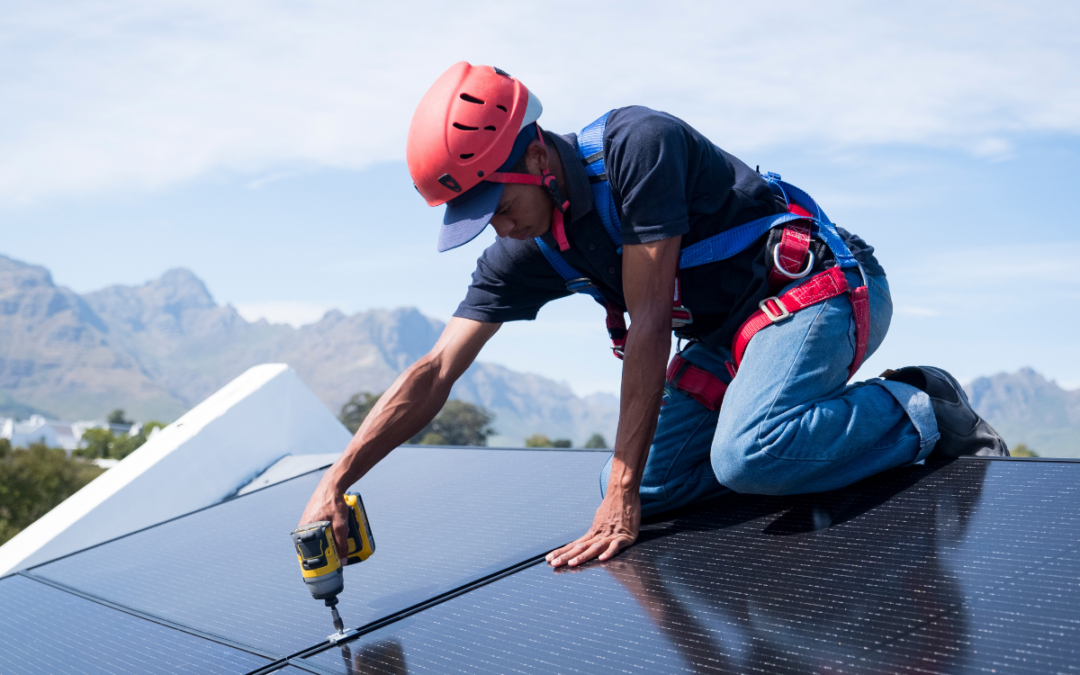
Installing solar panels is an important step towards producing renewable electricity at home, but homeowners do not necessarily have to stop there. As household energy requirements evolve, adding battery storage can provide another way to manage the electricity produced by a solar system. For Townsville homeowners considering a battery now or in the future, it is worth asking an important question: is the existing solar system actually ready for battery storage?
Battery readiness is not simply about having solar panels on the roof. The inverter, system design, available solar generation, electricity consumption and installation configuration can all influence whether a battery can be integrated successfully. Understanding these factors before making a decision can help homeowners plan a more practical energy system.
Start With Your Existing Solar Setup
The first step is to understand what equipment is already installed. Homeowners should identify the solar panel capacity, inverter type and model, installation age and available monitoring capabilities.
Different solar systems use different configurations, and not every existing setup will accommodate a battery in exactly the same way. Some systems may require additional equipment or changes before storage can be incorporated.
Checking the original installation documentation can provide useful information. If those records are unavailable, a professional solar assessment can help establish what equipment is currently connected and whether it can support future upgrades.
Examine Your Inverter
The inverter deserves particular attention when considering battery storage. It manages the electricity generated by solar panels and helps convert that electricity into a form that can be used by household appliances.
Depending on the system configuration, a battery may require a compatible hybrid inverter or additional battery-related equipment. The age and capabilities of the existing inverter can therefore affect the upgrade options available to a homeowner.
Replacing an inverter simply because a battery is being considered may not always be necessary, but compatibility should be confirmed before purchasing any storage equipment.
Understand How Much Solar Energy You Generate
Battery storage works by capturing electricity that is not immediately required by the household. This makes solar generation an important part of the equation.
Homeowners should look at how much electricity their solar panels produce throughout the day and how much of that electricity is consumed directly. Monitoring data can help reveal whether significant amounts of solar energy are available for storage.
For example, a household that produces more solar electricity during the middle of the day than it consumes may have an opportunity to store some of that surplus energy for later use.
However, the amount of surplus energy can vary according to system size, weather conditions, household consumption and seasonal changes.
Look at Evening Electricity Consumption
A battery can be particularly relevant when household electricity demand continues after solar production has declined.
Townsville households may use electricity in the evening for lighting, cooking, entertainment, air conditioning and other appliances. If much of the household’s electricity consumption occurs after sunset, homeowners may want to explore whether battery storage could help shift some solar-generated energy into those later hours.
Rather than choosing a battery based only on its advertised capacity, homeowners should consider their actual energy consumption patterns. This can help avoid selecting storage that is either too small for the intended purpose or unnecessarily large for the household’s needs.
Consider Future Energy Changes
Battery planning should not focus exclusively on today’s electricity usage. Homes can change significantly over time.
A homeowner may eventually purchase an electric vehicle, install additional air conditioning, add a pool or increase the number of electrical appliances in the property. These changes could increase energy demand and alter the amount of electricity required during different periods of the day.
If battery storage is part of a long-term energy plan, discussing potential future requirements with professional solar installers Townsville can help homeowners understand how today’s decisions may affect tomorrow’s upgrade options.
Check Battery Compatibility
Battery technology is not universally compatible with every solar installation. Different battery systems have specific requirements relating to inverters, electrical configurations, communication systems and installation conditions.
Compatibility should therefore be confirmed before purchasing a battery. A professional installer can evaluate the existing solar equipment and identify suitable storage options.
This is especially important for homeowners with older solar systems. In some cases, upgrading part of the existing system may be a more practical approach than attempting to connect a new battery to outdated equipment.
Think About Where the Battery Will Be Installed
Physical installation requirements are another important consideration. A battery needs an appropriate location that meets relevant safety and installation requirements.
The available space, environmental conditions, accessibility and proximity to existing electrical equipment can all influence the installation approach. The installer should assess the proposed location before the battery is purchased.
Planning the physical installation at an early stage can help homeowners avoid unexpected complications later.
Consider Monitoring and Energy Management
Battery storage becomes more useful when homeowners can understand how their system is performing. Monitoring technology can provide information about solar generation, household consumption, battery charging and battery discharge.
This information can help homeowners identify energy-use patterns and make informed decisions about when electricity is being generated, stored and consumed.
Energy management can also encourage more efficient household habits. For example, appliances that can be operated during periods of strong solar production may reduce the amount of electricity that needs to be stored for later use.
Evaluate the Whole System, Not Just the Battery
A battery should be viewed as one part of a complete home energy system. Solar panels, the inverter, battery, household appliances and grid connection all interact with one another.
Choosing a battery solely because it has a large storage capacity may not produce the best result if the rest of the system is not appropriately configured.
A professional assessment can help homeowners understand the relationship between solar generation, battery capacity and household electricity consumption before committing to an upgrade.
Prepare Before You Need More Storage
Homeowners do not necessarily need to install a battery immediately after purchasing solar panels. However, planning for future storage can be useful.
When selecting a new solar system, asking whether it can accommodate future battery integration may provide greater flexibility. Homeowners can then make decisions today without unnecessarily limiting their options later.
For those researching solar battery Townsville solutions, Greencell Energy can help homeowners assess their existing or planned solar setup and explore suitable energy-storage options.
A battery-ready solar system is ultimately about thoughtful planning. By examining the existing equipment, understanding electricity consumption, checking compatibility and considering future energy needs, Townsville homeowners can make more informed decisions about battery storage. Instead of treating a battery as a standalone product, viewing it as part of a complete energy strategy can help create a more adaptable and efficient home energy system.