
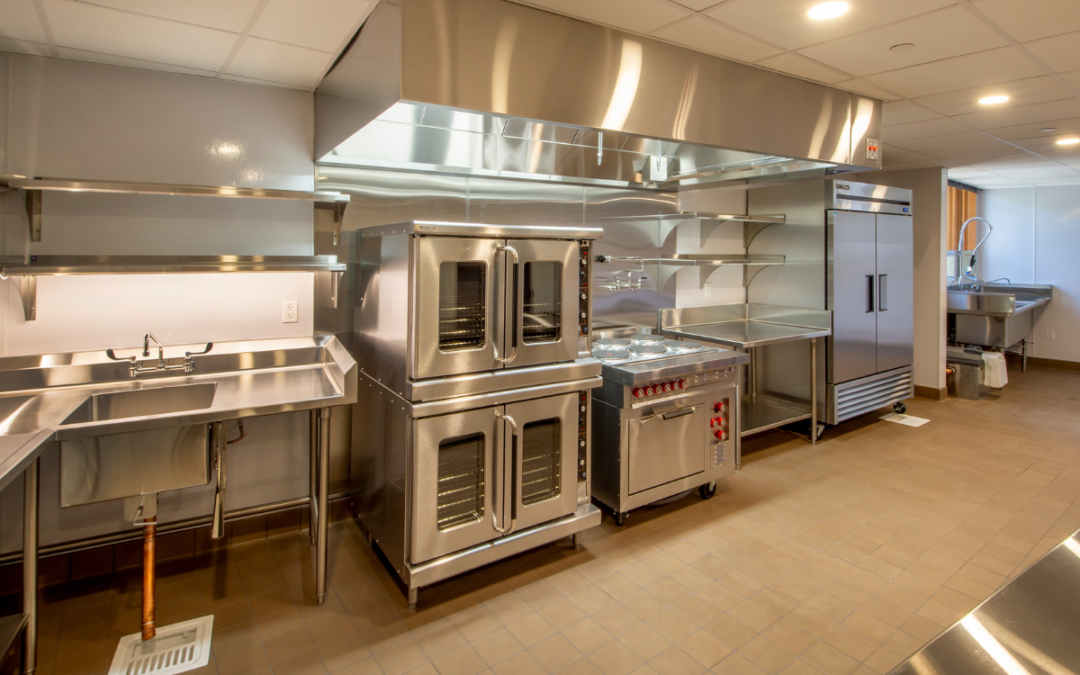
Commercial kitchen extraction systems do their job in a pretty important way, keeping safe, clean, and regulatory cooking spaces. They pull away smoke, heat, grease, and all those airborne particles, so the kitchen stays both functional and comfortable. At the same time though, extraction systems can gradually develop annoyances over time, and when they do, it is kind of urgent, not just “later”. Spotting the early signs early, then booking a professional kitchen extract callout, can stop expensive shutdowns, reduce fire hazards, and keep you in line with compliance requirements. In this guide, we walk through seven main indicators that suggest your extraction system might need urgent help.
Kitchen extraction systems are basically essential:
Because commercial kitchens run all day in real tough conditions where the air is grease-laced, full of smoke, and loaded with extra warmth. Extraction systems work continuously to pull that stuff out. So whether it is a restaurant, a hotel, a school, or a catering setup, the whole point is air quality plus workplace safety, not just comfort. If the extraction system isn’t maintained properly, it can make staff feel uncomfortable, reduce how smoothly things run, and even raise the chance of equipment breakdowns. Regular checks and quick repairs really matter, so the system keeps behaving the way it should. And when issues pop up kind of suddenly, getting a professional kitchen extract callout can help keep downtime low and get everything back to normal as soon as possible. One of the most obvious signs that an extraction system needs immediate attention is the following:
1. Excessive smoke inside the kitchen
If the smoke isn’t really being pulled away efficiently anymore, it can point to a few things, for example:
- Blocked ductwork
• Faulty extraction fans
• Damaged filters
• Electrical issues affecting the system performance
When smoke keeps hanging around, it not only makes the workspace unpleasant, but it can also bring health and safety risks for the employees. So in these situations, a kitchen extract callout should be arranged without delay.
2. Strong Grease or Burning Odours
Commercial kitchens do naturally cough up cooking odours, but when the smell gets unusually strong, it might be hinting at something more serious. That “burning” kind of vibe or that sharp, almost metallic sort can point to a couple of issues, like maybe overheating motors or electrical faults. It can also be brought on by too much grease build-up and grease that’s clinging in places it shouldn’t. And sometimes there are mechanical breakdowns somewhere in the extraction system, not only one culprit.
3. Reduced Airflow from Extraction Units
Another pretty clear hint is a noticeable drop in airflow, like it just… slows down, and it should not be brushed off. You may spot poor airflow with a few everyday signs, such as:
• Higher heat levels appearing in the kitchen
• Smoke that lingers even after cooking is done
• Staff feeling uncomfortable during peak, busy periods
• Uneven ventilation across the working area
When airflow gets restricted, it is commonly because blocked filters are in the way, ductwork has become contaminated, or a fan component is no longer working properly. Booking a kitchen extract call-out helps technicians pinpoint what’s causing it and then carry out the right repairs without guessing.
4. Unusual Noises During Operation
Commercial extraction systems usually spit out a pretty steady operational noise level. Still, if something sudden shows up, or the sound feels a bit out of place, that can be a signal, like a mechanical problem in disguise.
You might hear, for instance:
• Grinding type noises.
• Rattling parts, loose hardware vibes.
• High-pitched squealing, like a stretched spring.
• Vibrations coming off fan assemblies.
If these signs are ignored, they can slowly turn into more extensive damage over time. Catching it early helps, and it can prevent costly repairs and unexpected system failures, too.
5. Frequent System Shutdowns
If an extraction system keeps shutting down or just won’t stay on, then yeah, it really needs attention ASAP. Often those repeated shutdowns happen because of electrical faults or a motor failure that is giving up and sometimes control panel issues that don’t make sense at first. Also, overheating components can sneak up fast, and then the system just goes quiet. When the extraction system is not working at all, it can seriously disrupt kitchen operations. In many cases businesses end up suspending food preparation until the root cause is sorted out. A professional kitchen extract callout can get everything back on track and minimise the downtime too.
6. Visible Grease Accumulation
Grease build-up is basically an unavoidable part of commercial kitchen work, but if it piles up too much, it should always be seen as a little red flag. In other words, it’s one of those “don’t ignore it” situations. Look at places like filters and also the canopies, plus the ductwork access panels and extraction fans.
When there’s too much oil residue, the system doesn’t work as well. That means lower performance and higher energy demand, and it also increases the fire danger. Regular cleaning and some emergency maintenance when needed really helps keep the extraction system safer, and it supports compliance with the relevant rules.
7. Rising Energy Costs
Sudden upticks in your energy bills can mean the extraction equipment is kind of running hot and not so efficient, like it’s wasting effort. When the system has trouble staying at the right level, it tends to pull more power, usually because of stuff like restricted air flow, dirty parts and grimy components, mechanical pieces that are wearing down, or a faulty electrical system that’s not behaving the way it should.
Keeping an eye on utility costs gives real clues about the overall condition of the extraction system. If you fix those inefficiencies early on, it can lower operating expenses later and help the whole setup perform better over time.
The Benefits of Prompt Kitchen Extract Callouts:
If you respond fast to extraction system issues, you get a bunch of real benefits, even if it sounds kind of simple. Like there’s less business interruption, a clearer boost in workplace safety, and usually a lower cost to fix things later. You also end up with a noticeable improvement in indoor air quality, plus better energy efficiency overall. On top of that, it helps with compliance towards industry standards and can even extend equipment lifespan too.
When the problem is handled before it spirals upward, businesses can keep productivity steady while also protecting staff, customers and property.
Preventative Maintenance Matters
Even though emergency support is obviously important when something goes wrong, preventative maintenance is still the most effective path for dodging those surprise failures that pop up out of nowhere. In practice a more proactive maintenance programme should involve a few things, not just one, like regular inspections, professional cleaning, some kind of performance testing, and swapping components when it starts to drift out of spec. Also keep detailed maintenance records. Because that makes follow -ups a lot easier later.
Conclusion
Commercial kitchen extraction systems are pretty much essential so the space stays safe and working, day in day out. When you see excessive smoke, or you start hearing unusual noises, or the airflow looks like it’s dropped off, and then suddenly energy costs rise, that’s usually the kind of warning stuff you shouldn’t ignore. Spotting those hints early can stop bigger operational problems and also avoid safety issues that turn serious fast. Getting a professional kitchen extract callout at the very first sign of trouble can help minimise downtime, cut down on repair expenses, and keep things in line with ongoing compliance requirements. And if you’re after dependable extraction system support, Tech Mechanical Ltd can help, with expert services aimed at keeping commercial kitchens running safely, efficiently, and without any interruption.